

New guide spotlights DC’s rich but underappreciated literary history
A Literary Guide to Washington, D.C.: Walking in the Footsteps of American Writers From Francis Scott Key to Zora Neale Hurston is as much a literary sampler as it is a walking-tour guidebook. Kim Roberts’ latest leads readers through the literary — and literal — landscape of the nation’s capital and reveals the city’s rich history in letters.
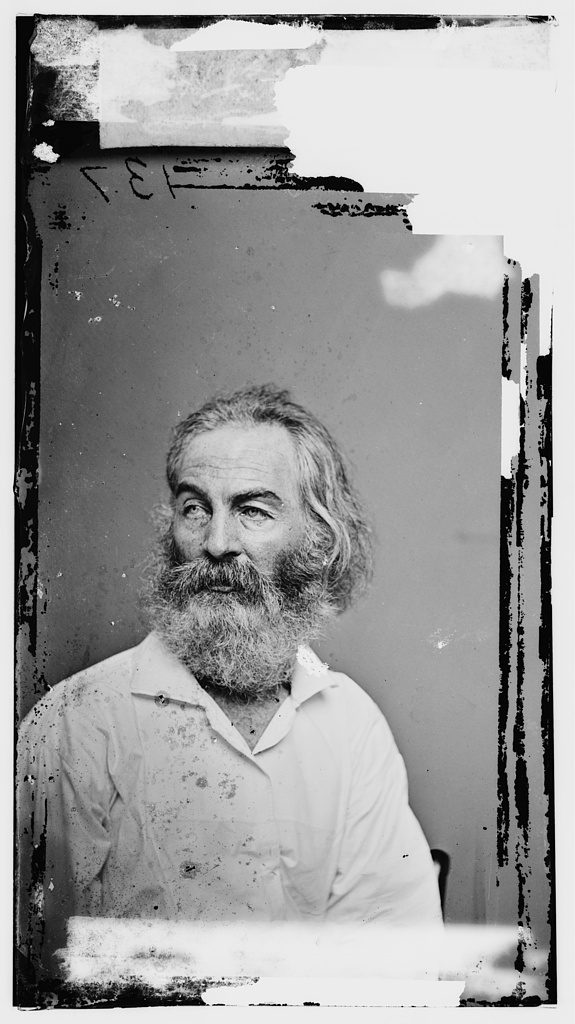
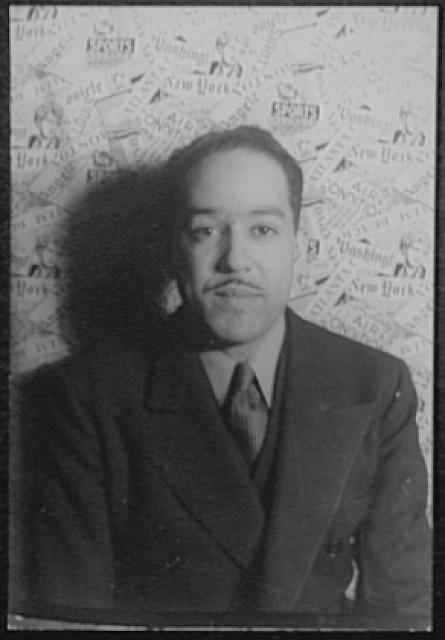
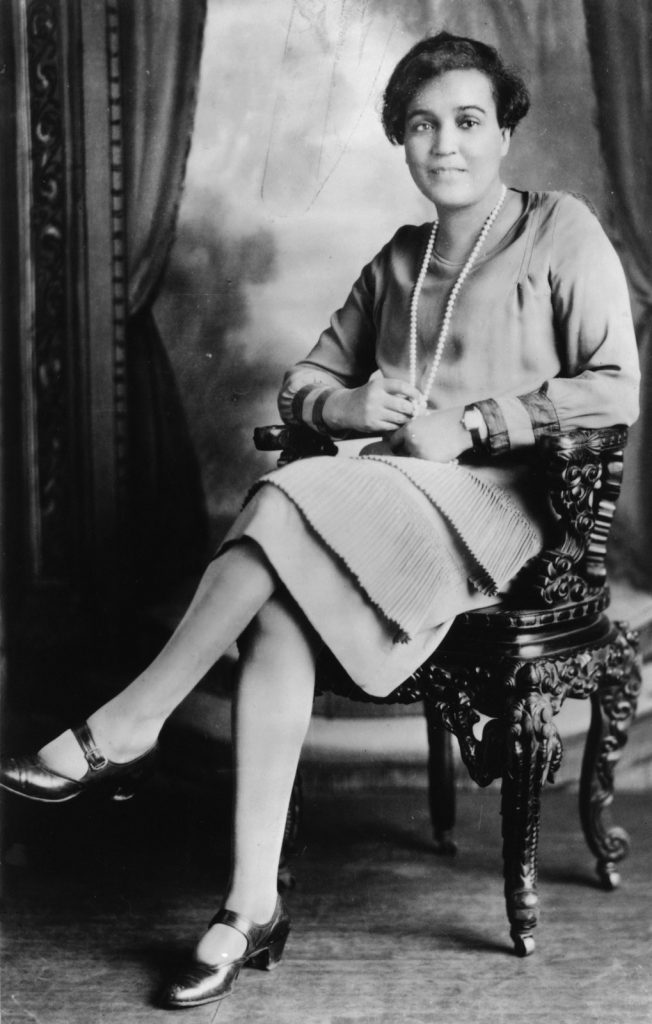
Giants of American literature, such as Francis Scott Key, Walt Whitman, Frederick Douglass, Frances Hodgson Burnett, Mark Twain, Langston Hughes, Zora Neale Hurston and Nobel laureate Sinclair Lewis, make their appearances. The book also introduces writers celebrated in their genre and time, but whose names may be new to the average reader, such as pioneering nature essayist John Burroughs, African-American writers Paul Laurence Dunbar and Alice Dunbar-Nelson, and author and socialite Henry Adams, the descendant of U.S. Presidents John Adams and John Quincy Adams.
 A Literary Guide is divided into five historical eras, featuring profiles of literary figures and providing excerpts of either their most iconic works or works that speak to their time spent in Washington and its influence on them. The guide also offers four themed walking tours, each focused on the DC life of one main writer or group of writers, but also populating the landscape with the statesmen, socialites, hoteliers, businessmen, and movers and shakers shaping Washington’s culture and interacting with its writers in each era.
Some of the tour stops correspond to the actual buildings where a writer lived, worked or drew inspiration. Others rely on the writers’ texts and episodes from their lives to conjure up a landscape and age now passed. Roberts said of compiling the Whitman tour stops: “I went through his correspondence and found seven boarding-house locations where Whitman rented rooms … None still stand; all are now the site of high-rise office towers. But there [is] something powerful about going to those locations nonetheless.”
Roberts emphasizes African-American writers and historical figures, shedding light on the District as the backdrop to Hughes’ break into the poetry world and Hurston’s work — and proving that Harlem was not the only site of the Jazz Age’s literary renaissance. Roberts also brings lesser-known names to the fore and situates them in the landscape and local culture — writers such as Solomon G. Brown, a poet, lecturer and longtime Smithsonian Institution employee. Brown was called a “Renaissance man,” “Longfellow” and a “philosopher” by turns, and loomed large in the DC community in the late 19th and early 20th centuries.
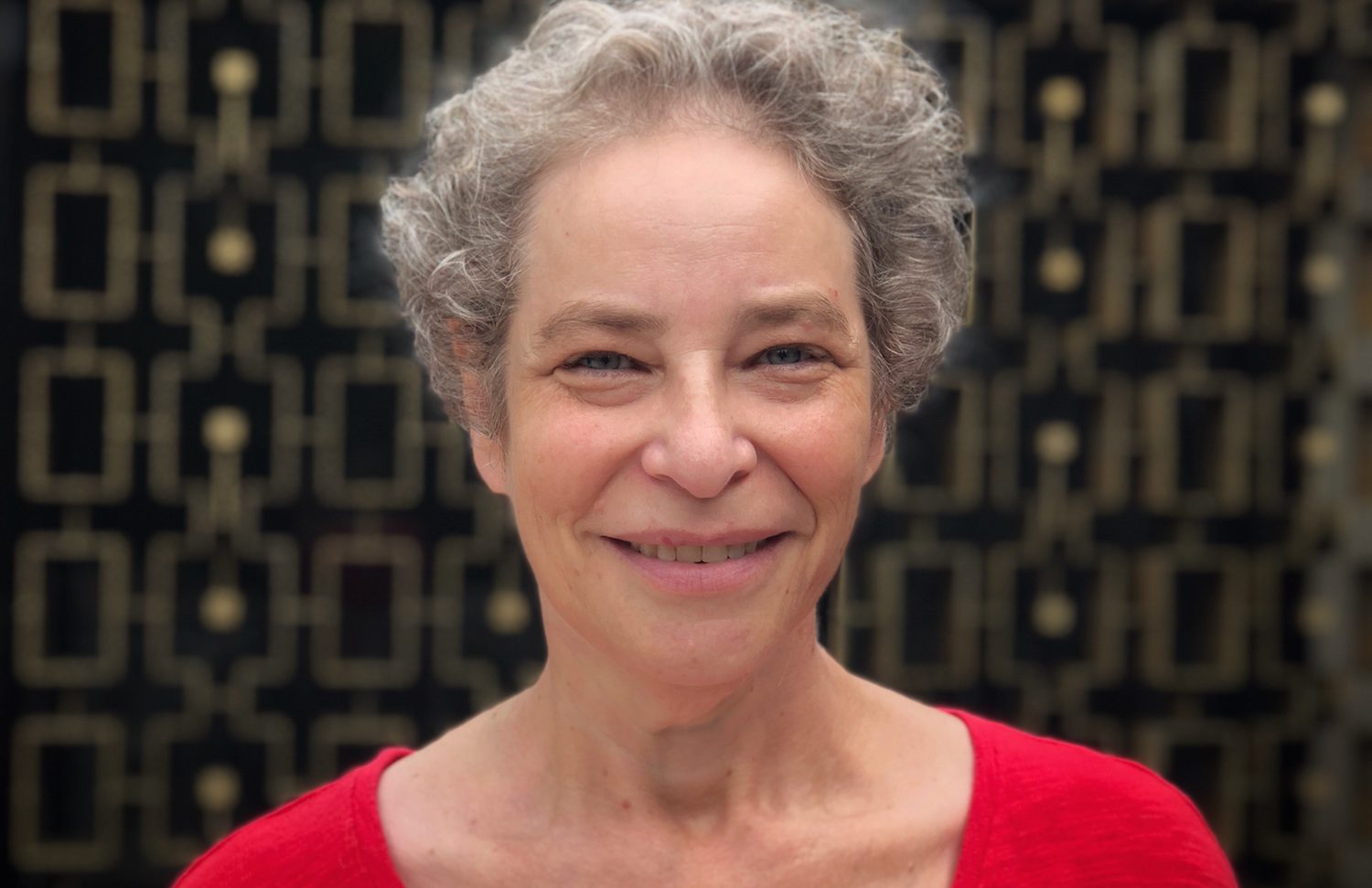
Roberts’ pride in and love for DC are obvious in A Literary Guide. Her personal interest in Washington writers began when she moved to the area in 1987 to teach literature and creative writing at the University of Maryland at College Park. To connect with her new home, she started learning about influential writers who spent time in the city. She began with Whitman, whose poetry she already admired, researching the decade he spent in DC working for the government and volunteering in hospitals. Then, real life caught up with art. Roberts found herself caring for a dear friend with terminal cancer, and Whitman’s service as a volunteer nurse for grievously wounded Civil War soldiers in DC took on new significance for her. Whitman’s nonfiction work, Specimen Days, helped Roberts process her own experience caring for her friend.
Whitman led Roberts to a deeper interest in Langston Hughes, who had himself drawn inspiration from Whitman. Hughes spent time in DC working odd jobs, composing poems and breaking into the poetry world — a period of his life now made locally famous through the Busboys and Poets restaurant and bookstore chain, mentioned in Roberts’ guide. Roberts continued learning about DC writers as a personal quest and began organizing and leading walking tours of literary sites in Washington. As her knowledge of Whitman, Hughes and many others deepened, her realization grew that many DC residents and most Americans know little of the District’s rich literary history. After many years of reading, research, guided tours and articles on the topic, A Literary Guide to Washington, D.C. began to take shape.
Roberts’ book fortuitously debuts on the heels of the May 2018 release of Barracoon: The Story of the Last “Black Cargo,” a never-before-published anthropological work by Zora Neale Hurston, edited by Hurston scholar Deborah G. Plant. Hopefully, resurgent interest in Hurston will drive readers to explore more of the author, folklorist and anthropologist’s life, which will lead them back to her time in DC, to Roberts’ book and to other DC writers who deserve fame beyond local notoriety. Roberts’ literary guide is definitely one to pick up for those interested in Washington history, American literature between 1800 and 1930, African-American literature or even generally in the interplay between artists, their landscapes and their moments in history.
Author Kim Roberts will discuss her book at two events in DC this week: Thursday, June 28, at 6 p.m. at Busboys and Poets at 14th & V, 2021 14th St. NW; and Saturday, June 30, at 3:30 p.m. at Politics and Prose, 5015 Connecticut Ave. NW. She will also join local poet and Georgetown University professor David Gewanter for a book talk on Thursday, Sept. 6, at 7 p.m. at Upshur Street Books, 827 Upshur St. NW.
A Literary Guide to Washington, D.C.: Walking in the Footsteps of American Writers From Francis Scott Key to Zora Neale Hurston by Kim Roberts, published May 2018 by University of Virginia Press. Available at upress.virginia.edu/title/4920 and at local and online book retailers.
Comments are closed.