


With diverse slate, annual environmental film festival once again offered local and global lessons on human connections with nature
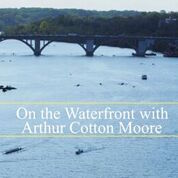
The Environmental Film Festival in the Nation’s Capital — which goes by the acronym DCEFF — celebrated its 27th year with last month’s impressive program of over 160 films that included two notable standouts by local filmmakers: Larry Engel’s short documentary Who Speaks for Nature and Tim Persinko’s On the Waterfront With Arthur Cotton Moore.
DCEFF, according to its website, is the longest-running environmental film festival in the United States and the largest such event in the world. Held each March at venues throughout DC, the event won the Mayor’s Arts Award for Excellence in the Creative Industries in 2017 and continues to champion critical environmental issues and perspectives. This year’s festival seemed particularly timely, amid passionate debates surrounding the Green New Deal and growing international youth protests demanding government accountability for climate change.
Whether or not you made it to any of last month’s screenings, the DCEFF website includes a gallery that highlights films shown at past festivals that are available for streaming. Selections with a local focus include The Anacostia River: Making Connections, about initiatives to reverse the effects of years of industrial pollution; The Capital Buzz, about amateur beekeepers; City of Trees, about a DC nonprofit’s efforts to create a “green jobs” program; and Green Roofs: Riversmart Rooftops, about efforts to transform wasted space atop residential, commercial and government buildings.
Within the international context of this year’s DCEFF — which showcased narrative and documentary films of various lengths from over 25 countries — the films by Engel and Persinko represented contributions from DC creators that reinforced the the value of environmental education while exploring people’s relationships to nature.
Who Speaks for Nature had its world premiere on March 20 in the McKinley Building at American University, where Engel is an associate professor of communication. Over a film career of nearly 40 years, Engel has garnered much acclaim. In 2010, the PBS series The Human Spark, hosted by Alan Alda and directed and filmed by Engel, won the prestigious Kavli Science Journalism Award for In-Depth Reporting from the American Association for the Advancement of Science. Engel’s other accolades include a 1989 Daytime Emmy for Best Cinematography for the PBS television series 3-2-1 Contact.
In Who Speaks for Nature, Engel follows authors Todd Eisenstadt and Karleen Jones West as they travel to the Ecuadorian Amazon and examine three situations in which the rights of indigenous peoples have been affected by oil drilling and copper mining. The 35-minute film serves as a complement to the two authors’ book of the same title, which explores how community perspectives on environmental issues are determined by the level of degradation of a community’s natural surroundings.
In Lago Agrio, Ecuador, where residents continue to live with the consequences of Texaco oil drilling that began in the 1960s, polluted water and soil have diminished agricultural output while spreading disease, including cancer, within native populations. The indigenous Cofán people are forced to deal with the consequences of oil mining on their land, and the community is split over how best to address these issues. While some individuals remain opposed to continued drilling, others see oil extraction as an economic necessity and appreciate the government’s financial contributions in return. With decades of environmental damage behind them, hope and motivation for natural rehabilitation remain low among locals in the area.
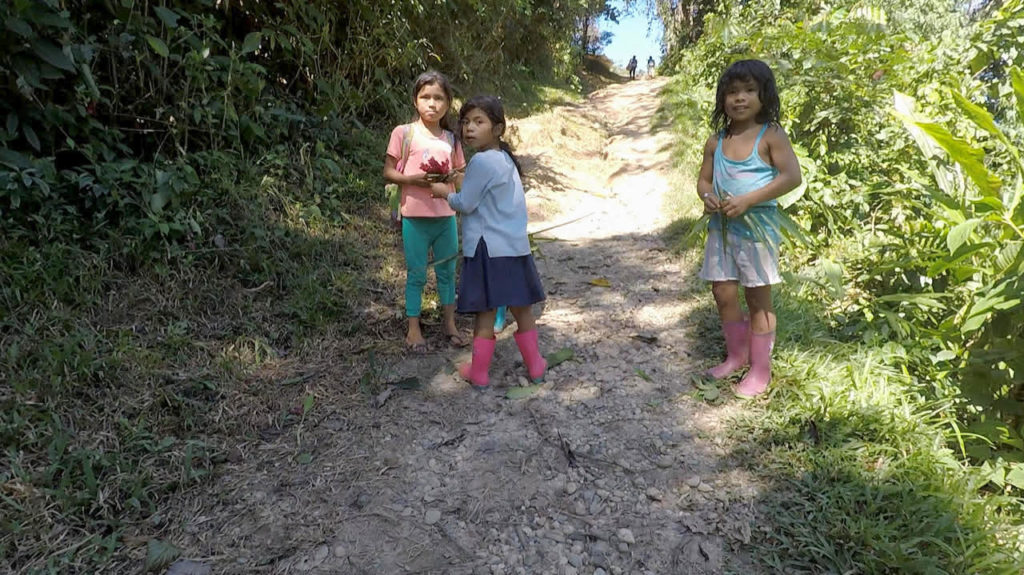
In contrast, members of the Sarayuka tribe farther south have preserved their surroundings because they continue to fight for their rights, in part because of their dedication to the philosophy of sumak kawsay. Representing “the good life,” sumak kawsay differs from the Western interpretation of the concept and perceives people as integrated components of nature rather than outside influencers. In the film, Eisenstadt, West and Engel find that the tribe has the healthiest surroundings and consequently the strongest and most effective systems for protecting their environment among the communities they examined.
Engel’s work in Who Speaks for Nature explores the socio-political aspects of environmental issues, prioritizing the voices of native peoples directly affected by oil and mining interests. In the third case study of the film, Engel notably includes interviews with members of the Shua tribe in Ecuador, many of whom have been evicted from their lands in the past two years to make way for Chinese mining interests.
Engel shot much of his documentary on an iPhone and GoPro camera, allowing not only easy transport of equipment but also ensuring authentic and comfortable interviews with locals who might have been intimidated by large professional cameras. Engel’s artistic decision to prioritize story over aesthetics delivers a documentary that communicates complicated foreign issues regarding environmental and human rights in an immediate and approachable way.
While Engel’s film brought an international story to DC, Persinko’s short documentary delved into local history to consider how people interact with nature. On the Waterfront With Arthur Cotton Moore (available on Vimeo) premiered as part of the “Shorts Program: Local Waterways” on March 23 and highlighted a prominent site that DC locals may take for granted.
Persinko’s film focuses on Arthur Cotton Moore, an architect and master planner who designed the prominent Washington Harbour complex and helped shape the current look of the Georgetown waterfront. The film explores the industrial history of Georgetown and how the redesign of the waterfront revitalized the area. According to Moore, urban planners are obligated to integrate their designs into existing waterways such as rivers. Well-designed waterfronts not only improve a city’s economy, but also enable citizens to access and enjoy natural resources. Moore’s story of the Georgetown waterfront celebrates the Potomac and illustrates an architect’s view on the moral and economic imperatives of bringing people to water in urban environments.
The differing focuses of Engel’s Who Speaks for Nature and Persinko’s On the Waterfront With Arthur Cotton Moore exemplify the diversity of the 11-day festival. Whether stories come from South America or the Eastern Seaboard of the United States, there is a fundamental link between human narratives and nature. The DCEFF continues to underline the importance of understanding the varying ways human stories are interconnected with nature, whether on the socio-political, economic, historical or emotional level.
The Environmental Film Festival in the Nation’s Capital ran from March 14 through 24, with financial support from various donors and sponsors including National Geographic, the Shared Earth Foundation and many others. A full program of the 2019 film fest can be found here.
Comments are closed.