

jonetta rose barras: Is public safety a priority for the DC Council?
That’s the question Patrice Sulton has been asking herself. Actually, a whole bunch of us have posed a similar query but for different reasons — mostly related to the seemingly unrelenting rise in community violence.
The founder and executive director of the 2-year-old nonprofit DC Justice Lab, Sulton isn’t one of those increase-the-police-force-lock-up-the-criminals partisans. She is a disciple of the reimagine-policing-and-criminal-justice-system crew. In the past several years, she has been involved with the DC Task Force on Jails and Justice, the Criminal Code Reform Commission and the Police Reform Commission.
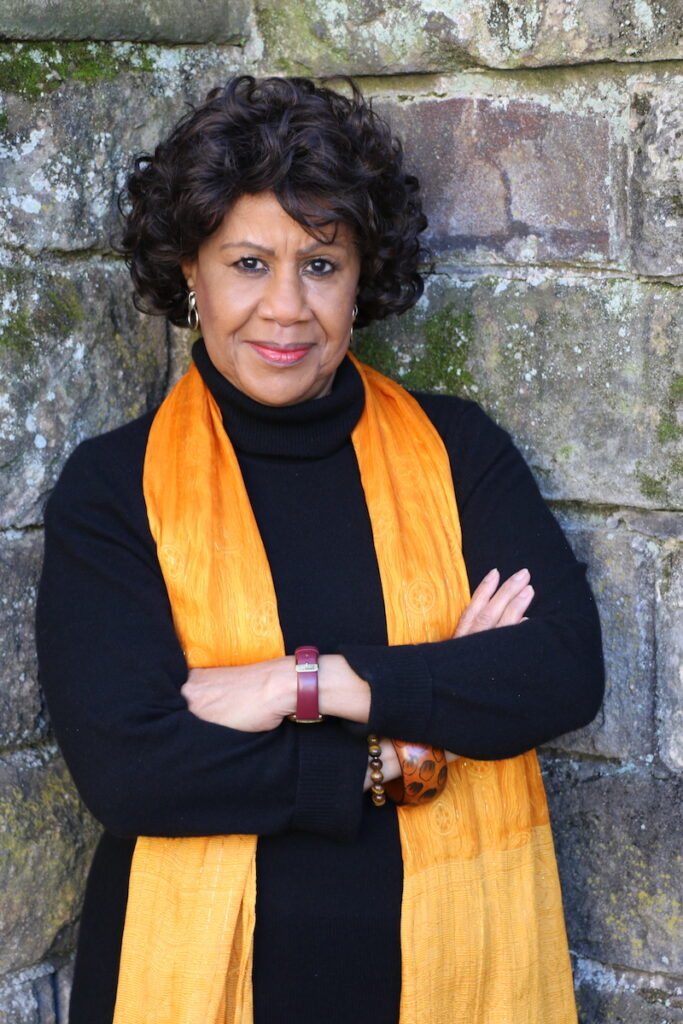
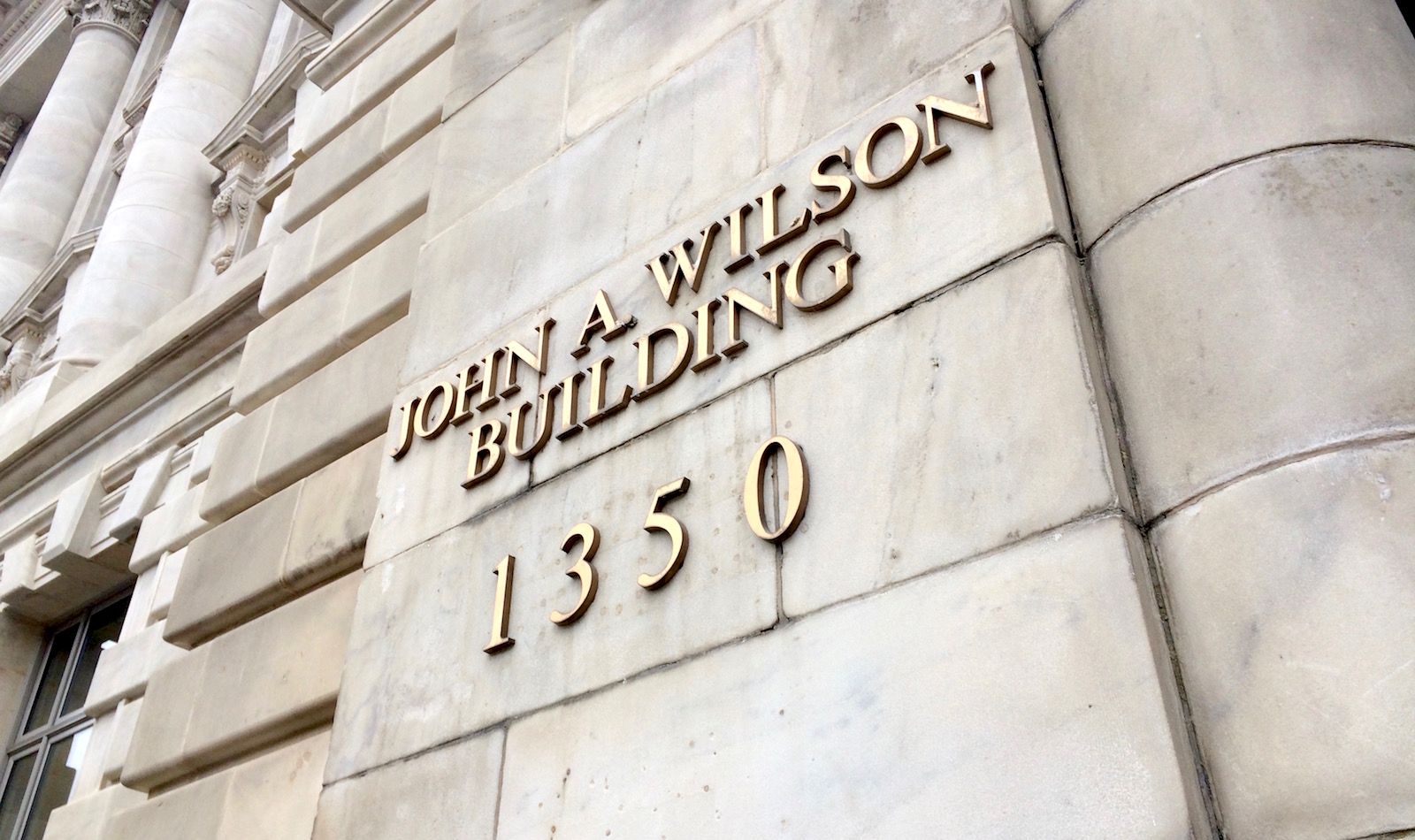
During a recent, extensive interview with me, she conveyed that she once fathomed most DC elected officials as fellow tribe members: hoisting public safety as a critical issue; determined to right a system that, in her view, carts too many Blacks and other people of color off to jail. However, she seems to have become disillusioned by the way things are done at the John A. Wilson Building and the lack of urgency among legislators. Further, she points to a “reluctance for council members and members of the executive [branch] to hear directly from people who are survivors of crime and formerly incarcerated, and otherwise concerned citizens.”
Initially, Sulton had been excited that multiple proposals crafted by DC Justice Lab’s team were introduced with significant support from council members. She thought that meant “things would move quickly,” although she soon discovered otherwise: “That was not at all the case. There is no proactive agenda that moves things through the council quickly.”
Welcome to the District of Columbia government — elected and otherwise.
Were it not for the fact that Sulton is a lecturer at the George Washington University Law School, where she also received her juris doctorate, one might assume she was simply blinded by naivete. Far from it: She is, in fact, one of an expanding number of activists and advocates advancing various social justice reforms and public policies — like affordable housing for low-income residents, more mental health services for children and families, higher-quality public education options in working-class communities of color, and greater protection of children against abuse and neglect — who decry the inertia of the 13-member legislature.
Last August, Sulton took her concerns to council members, most notably Ward 6’s Charles Allen, chair of the Committee on the Judiciary and Public Safety. She was rebuffed. She said she got the impression that perhaps Allen didn’t appreciate her criticism of his office and the committee’s work.
More recently, Sulton said, she asked about the status of various reform bills and got the distinct impression that the committee was going to “sit on this until after the primary.”
What was Allen worried about? He ran unopposed in the June 21 Democratic primary. Could he have been worried about the political futures of his committee members? Ward 3 Council member Mary Cheh decided not to seek reelection. Ward 7’s Vincent Gray isn’t up for reelection, nor is Ward 2’s Brooke Pinto. At-large Council member Anita Bonds did have a fight on her hands; maybe Allen wanted to shield her.
As an example of legislation that has become wedged between the election cycle and council members’ unwillingness to advance an agenda they once claimed was important to them and their constituents, Sulton mentioned the Record Expungement Simplification to Offer Relief and Equity (RESTORE) Amendment Act of 2021, which “rewrites the entire chapter on criminal record sealing and expungement.”
“That is a bill we wrote with Christina Henderson’s office,” explained Sulton, noting that the at-large council member’s staff circulated the proposal and “within 24 hours it had eight sponsors and now it has nine.” All five Judiciary Committee members were among those who signed onto the bill.
“It has just sat [in committee] for more than a year,” she continued. When advocates reached out to Allen’s chief of staff, they were told, “Oh, well, you know there are these other three bills on criminal record sealing, and we’re just going to put all of them together in an omnibus.”
Sulton is concerned that such a process could weaken the intent and specifics of the legislation. Equally important, the public wouldn’t necessarily have an opportunity to comment about the changes before there is a council vote.
“We wrote a bill for Janeese Lewis George about car chases. That’s probably going to get stuffed into some policing omnibus,” said Sulton. “We worked with Georgetown Juvenile Justice Initiative and Robert White’s staff on [the Youth Rights Amendment Act of 2021] concerning police searches and interrogations of children.“
Sulton, the rest of the DC Justice Lab team and others have been pushing a variety of proposals listed at safeandfreedc.com. So far, “the only thing that moved” is the Clean Hands Certification Equity Amendment Act of 2022, she said. That bill, introduced by Ward 5 member Kenyan McDuffie, passed the council unanimously earlier this month.
She worries that there won’t be time to get important bills through the council before the session legally ends Dec. 31. Any bill that has not been approved by the various committees and the full council would have to be reintroduced after Jan. 1 to move forward.
Allen’s deputy chief of staff, Erik Salmi, defended the committee’s work, asserting in an email that the fall of the second year of each session is particularly busy. “Council committees use that time to move the majority of their pending bills.
“This fall will be the same for the Judiciary Committee, with several incredibly important pieces of legislation coming up for votes, including policing reform, overhauling outdated criminal record sealing and expungement laws, improving crime victim rights and supports, and a more than century-long overdue rewrite of DC’s criminal code,” continued Salmi. “These are large, complex bills with far-reaching impacts that have benefitted from public feedback at dozens of hearings during the session.”
That sounds like a promise of action. But the legislature can be all talk and no walk.
Let me digress for a minute: Much of what Sulton is pushing I don’t support. I believe in consequences: You do the crime, you should be prepared to do the time, including potentially long-term adverse outcomes. My heart bleeds not for perpetrators but for victims — especially the innocent. After all, no one forces anyone to commit armed carjackings, robberies, homicides or any other acts of violence.
Still, there are District residents who support the work in which DC Justice Lab is engaged, including passage of the Revised Criminal Code Act of 2021, introduced last October at the request of the Criminal Code Reform Commission. DC Justice Lab and FWD.us — a “bipartisan group of political campaigners” whose mission is “reforming the immigration and criminal justice systems,” according to its website — commissioned a poll of 500 District voters conducted by HIT Strategies between April 20-25. After being given a brief description of the legislation, 83% strongly or somewhat supported the bill. That number crossed racial, class and ward boundaries.
Interestingly, 79% of those surveyed indicated they were “more likely to support a candidate who would be in favor of the RCCA.”
No one polled me. If I had received a telephone call, I would be a member of the 14% against the legislation. It’s not enough to cite the need for a comprehensive update to the criminal code for the first time since 1901; the overhaul has to be done in the right way. Among other things, the bill as introduced redefines some criminal offenses, removes mandatory minimum sentences for some established crimes, and changes judicial sentencing authority. That combination could result in fewer criminals being held accountable.
Equally disturbing, the bill would revise the offense for violating civil protection orders, which have kept alive more than a few victims of domestic violence; would adjust the penalty for failure to appear in court; and would revise the terms of supervised release. In other words, I think the legislation — unless it’s substantially altered from the original package — will only exacerbate concerns about the revolving doors at the U.S. Attorney’s Office and the DC Superior Court.
Regardless of my issues with the criminal justice reform bill, Sulton’s concerns touch on a fundamental aspect of politics and public policy: How should elected officials manage their work?
The council — each member — should operate with integrity. Too often that doesn’t happen. Consider, for example, that legislation frequently gets passed “subject to appropriation,” which is a wicked shell game.
After all, who does the appropriating, if not the council? If legislators believe a policy to be important, they should be able to find the funds. While there may be timing and logistical challenges given the budget process, the current procedures in practice create a legislative purgatory where many bills go to die after giving residents the impression their desires or demands have been satisfied.
Sulton must know that not every item on the DC Justice Lab’s agenda will pass. But she’s correct to raise concerns about the process. She and others have the right to expect action one way or another by their elected officials. Turning everything into lengthy, complex omnibus packages ends up hindering public understanding of what legislators are doing — and too often it means delays that further undermine public trust. Vote the thing up or down; don’t keep giving residents the false impression that council members care about an issue when they don’t.
This post has been updated to clarify descriptions of certain provisions of the Revised Criminal Code Act of 2021, as well as a reference to Sulton’s assessment of the status of several reform bills.
jonetta rose barras is an author and freelance journalist, covering national and local issues including politics, childhood trauma, public education, economic development and urban public policies. She can be reached at thebarrasreport@gmail.com.
Comments are closed.