


Emily Gasoi: A new year’s wish for Washington Met
This holiday season, DC Schools Chancellor Lewis Ferebee could make a decision that would build trust and show some of our city’s most vulnerable students that, on his watch, their voices and needs will be prioritized. He can do this by taking testimony from members of the Washington Metropolitan High School community to heart. This would mean withdrawing his current proposal to shutter their school in June and instead committing to work with them to make strategic investments that will help the school grow and thrive.
Since 2008, Washington Met has served as a lifeline for students who have tuned out, have dropped out, or have been pushed out of other schools. It has always been much smaller than the school system’s other alternative STAY programs, appealing to students who face a number of obstacles and who need the individualized attention a small school can provide to keep them on track.
Unfortunately, Washington Met has never received the resources or supports needed to provide the kind of opportunities offered by other STAY Academies. In fact, according to testimony from stakeholders at two recent forums DC Public Schools (DCPS) hosted, there has been little in the way of intentional planning or investment in the school from the start. Rather, it seems that over the past decade gradual divestment is one of the few things the school community has come to count on.
Washington Met is housed in Ward 1 on Bryant Street NW, in a former elementary school that has not been suitably renovated to accommodate older students. Last year the school system inexplicably expanded the middle school program even as it removed Washington Met from the city’s modernization plan. Over the past six years DCPS has cut Washington Met’s art, music and athletic programs, as well as the library. And while trailers were placed on school grounds ostensibly to house on-site career training, DCPS has yet to follow through with the promised resources. In 2017, as part of the mayor’s school mental health expansion program, Washington Met students were assessed to be most in need citywide. Even so, while dozens of other schools across DC have received additional mental health support as part of this initiative, Washington Met has yet to benefit.
Despite this litany of neglect, officials downtown seem to lay blame for the school’s shortcomings on the school community itself, claiming that “Washington Metropolitan has consistently underperformed.” This framing adds insult to injury for a community that already feels that it has been set up to fail.
Stakeholders, however, have shown great resilience in the face of what they assume is imminent closure, coming forward to share what they know they need in order to improve. For instance, they say poor attendance could be addressed if the school were able to offer on-site child care for the many students who are themselves parents and if the school were moved to a location that is more accessible by public transportation. Overall, they argue that it is misleading to compare them with other Opportunity Academies, both because they have not received the same level of support and because their population skews younger and brings with them a higher concentration of trauma and other risk factors.
At bottom, it is unacceptable to close a school serving our city’s most vulnerable students without a backup plan in place. Simply moving students to schools that many of them left or chose not to attend in the first place is not a sufficient plan, especially for middle school students for whom there is no alternative programming available. Stakeholders are concerned that many students will simply drop out — this time for good — if their school is closed. Thus, many in the Washington Met community are urging the chancellor to acknowledge the need for a small alternative school in our system and to create a differentiated funding formula to fully support it.
For the students of Washington Met who have had the courage to come forward and speak on behalf of their school, this will no doubt be a formative experience. Whether they come away feeling empowered or further alienated depends on the decision that comes down in January. Sadly, what most stakeholders suspect is that the decision has already been made — that the school system is just humoring them with these public input sessions, and that their feedback will be ignored. Chancellor Ferebee could seize on this opportunity to build trust, showing stakeholders that their voices have not only been heard, but listened to. As one parent argued in response to a question about what students need going forward, “What they need is their school.” Please don’t take it away from them, Chancellor Ferebee. Instead, work with them to make it better.
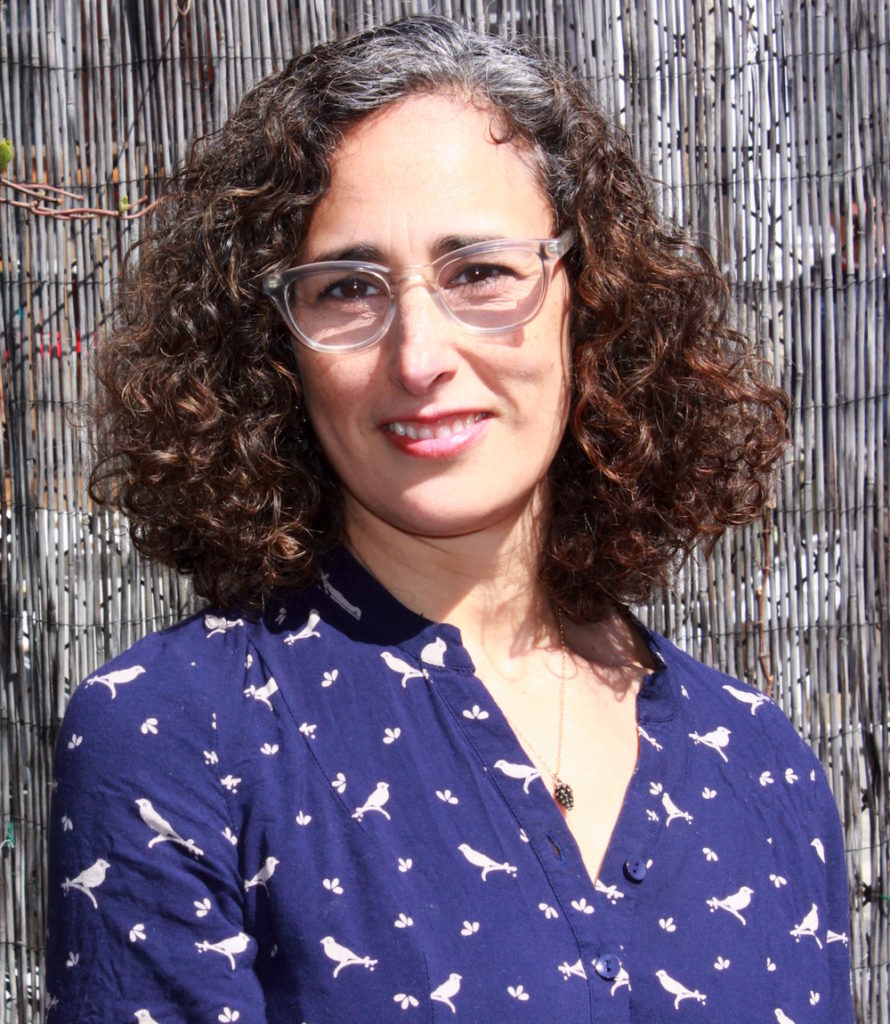
Emily Gasoi is the Ward 1 representative on the DC State Board of Education; an adjunct professor in the Education, Inquiry, and Justice program at Georgetown University; and parent to a second-grader at Washington Yu Ying Public Charter School.
About commentaries
The DC Line welcomes commentaries representing various viewpoints on local issues of concern, but the opinions expressed do not represent those of The DC Line. Submissions of up to 850 words may be sent to editor Chris Kain at chriskain@thedcline.org.
Comments are closed.