

Khari Brown: To help struggling young people, prioritize funding and support for community organizations
Uncertainty has been a consistent theme for so many of us since the COVID-19 pandemic began. Progress has occurred since the virus’s initial introduction into our daily lives, but emerging mutations and variants make the course of the future unpredictable. While adults may be more adept at navigating the tides of change, many of our youth are facing significant life changes that could jeopardize their futures.
As experts warn of a possible “twindemic” this flu season, school districts and states across the country are battling over mask mandates, vaccinations and resources, leaving young people, yet again, in the crosshairs of tumultuous politics.
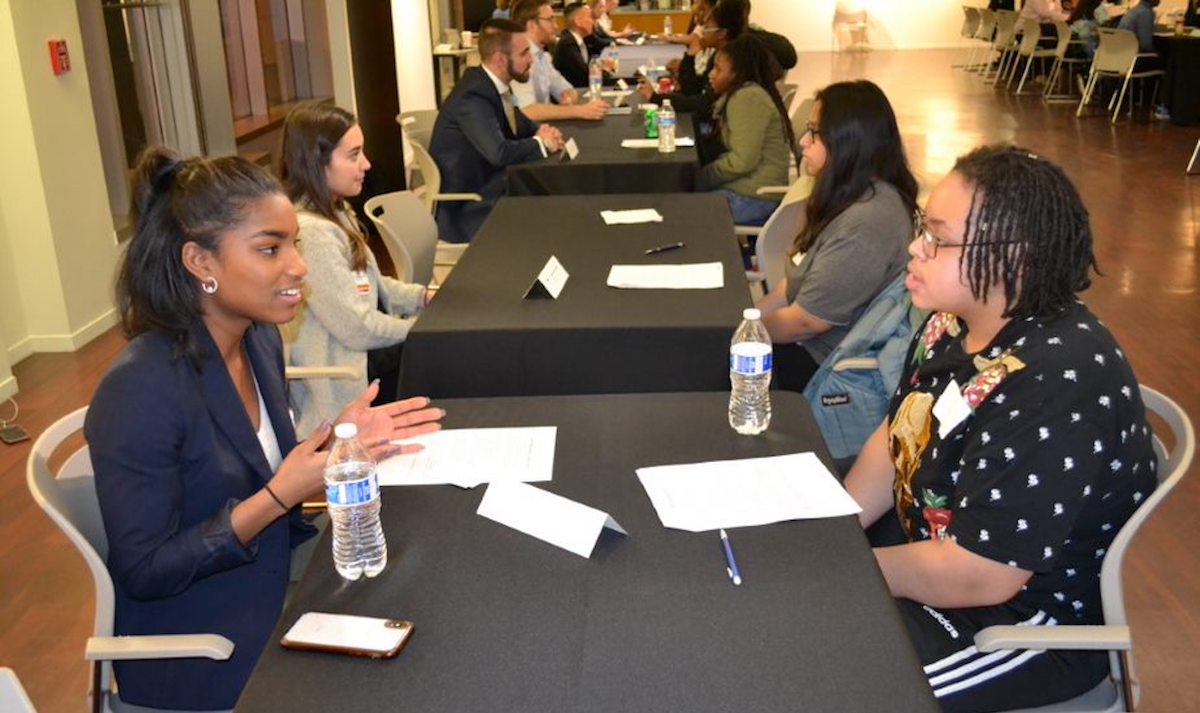
During these times of chaos and uncertainty, the resources provided by community-based organizations have provided a consistent “life preserver” for youth. One way to ensure that young people are not left behind during this critical time is by expanding government funding for local organizations that work with children — especially those in critical transition stages, such as early childhood, middle school, and high school to college.
A recent analysis by McKinsey & Company found that disruptions in schooling during the pandemic led to measurable missed learning. Throughout the United States, K-12 students were on average five months behind in mathematics and four months behind in reading by the end of the 2020-2021 school year.
A June 2021 report from the U.S. Department of Education’s Office for Civil Rights found that the impacts of COVID-19 “are falling disproportionately on students who went into the pandemic with the greatest educational needs and fewest opportunities — many of them from historically marginalized and underserved groups.”
These are all issues that I see firsthand in DC as CEO of Capital Partners for Education, a local nonprofit that provides mentorship and resources to low-income students in the academic middle.
Mikel, a resident of one of the District’s most under-resourced neighborhoods, was a high school senior last year. When she was going through a difficult emotional time, Capital Partners for Education connected her to mentor Bryanna. Mikel lacked focus in class and the motivation to turn in her schoolwork, but as the two of them built a relationship, Brynna helped her get back on track. Mikel credits the support from her mentor as being instrumental during the past school year and during the college application process.
Mikel is now a freshman at Prairie View A&M University in Texas. Her goal is to become a bilingual genetic counselor.
Mikel is just one of many young people who have benefited from the support that community-based organizations provide during challenging times. In Baltimore, groups like Civic Works provide career training and leadership programs for youth, with a focus on healthy food and green communities. In Los Angeles, Safe Place for Youth empowers young people experiencing homelessness through care and support; in New Orleans, BreakOUT! aims to end the criminalization of LGBTQ+ youth through organizing, healing justice and leadership development. Across the country, thousands of community-based organizations like these offer essential resources year-round that are often not available through other means and that help propel young people into brighter futures.
It is estimated that as many as one-third of the country’s nonprofit organizations are in financial jeopardy of closing in two years due to the effects of the pandemic — this at a time when they are needed most. Most community-based organizations are small, with approximately 88% spending less than $500,000 annually. But their impacts are immeasurable as they are often the lifeline that is keeping our most vulnerable children and families afloat.
Fortunately, Mayor Muriel Bowser’s administration and the DC Council have made good use of federal funds to expand services to young people through community organizations. The mayor just announced more than $12 million in grants to 91 youth-serving organizations, including the one I lead. These funds will support a range of “Out of School Time” (OST) services through the Learn24 network.
The OST grants are just one of the many thoughtful investments that the mayor and council made in this year’s budget thanks to the expansion of federal resources. Our young people will be better off because of these grants, but this should be just the start. By expanding future local funding for community-based programs and organizations across all sectors, we can help young people successfully navigate this pandemic without falling further behind.
The federal CARES Act has been a financial lifeline for cash-strapped communities during the pandemic. Our local leaders will need to commit to future funding in order to avoid so-called “fiscal cliffs” and ensure that essential community-based resources continue to be available for the thousands of local students that need them. With that funding, we should prioritize the services and organizations serving young people and families who have the greatest needs, especially those most negatively impacted by the pandemic and its economic fallout.
Our children can once again, or perhaps for the first time, know what it means to thrive — but for this to happen we need to be there for them. We must support them comprehensively as we continue the work to rebuild and recover. Young people need us now more than ever. Community organizations are answering the call, but they’ll need our leaders’ continued support going forward.
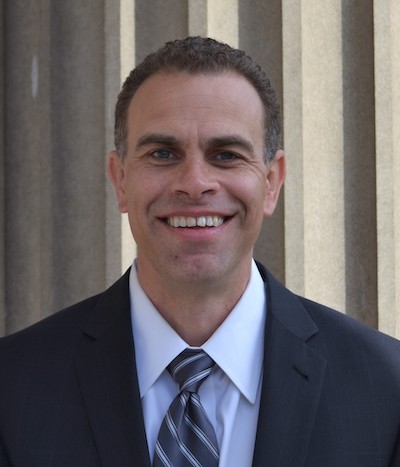
Khari Brown is the chief executive officer of Capital Partners for Education, which has provided one-to-one mentoring and college and career success programming to low-income students in the Washington area since 1993.
About commentaries
The DC Line welcomes commentaries representing various viewpoints on local issues of concern, but the opinions expressed do not represent those of The DC Line. Submissions of up to 850 words may be sent to editor Chris Kain at chriskain@thedcline.org.
Comments are closed.