

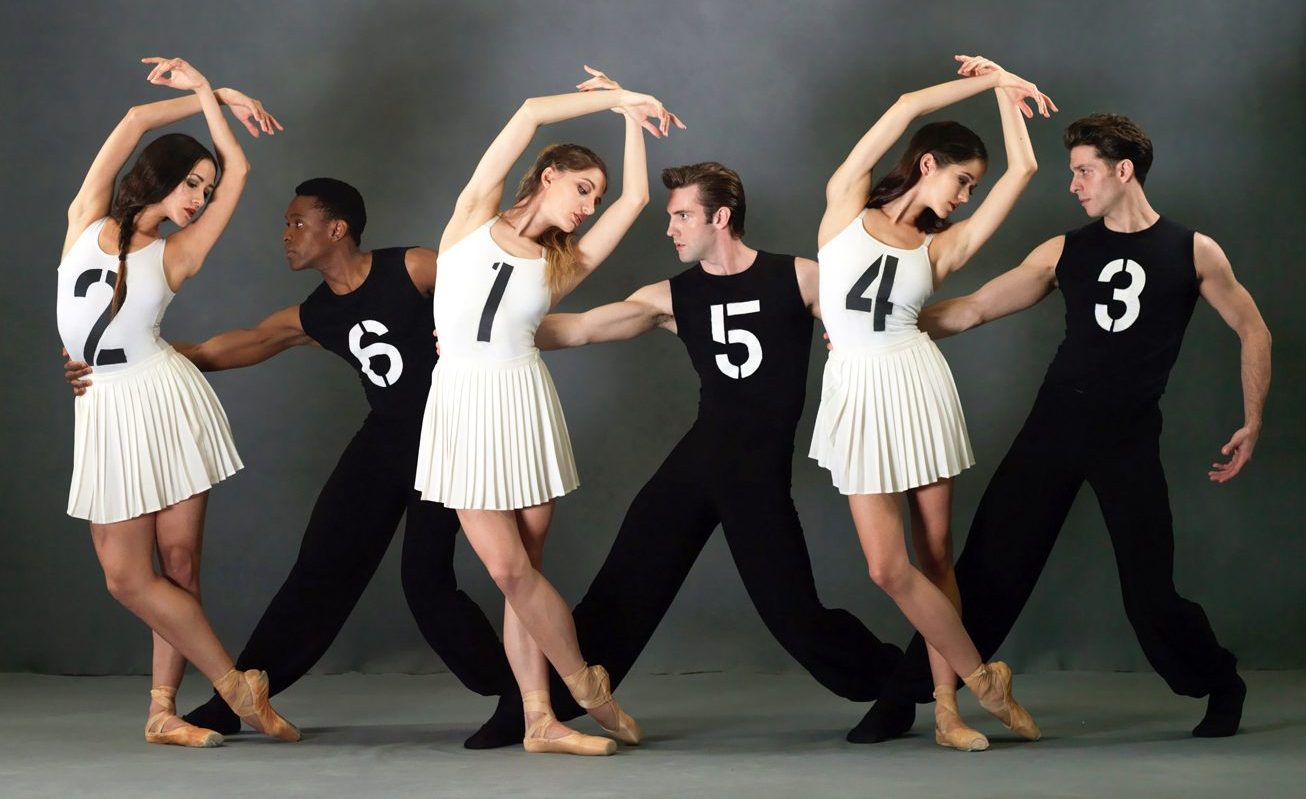
The Washington Ballet looks toward a season of star performances
Watching The Washington Ballet perform is an opportunity to enjoy the simple pleasure of the human body as it interacts with narrative and music. If you like good music and have ever enjoyed the sport of people-watching, you’re sure to enjoy this upcoming season.
The 2018-19 season opens Wednesday, Sept. 26, with a five-day run of performances at the Kennedy Center’s Eisenhower Theater. Subscriptions and tickets for the perennial favorite The Nutcracker are already available, and single tickets for the other shows go on sale this Friday.

The Washington Ballet’s upcoming offerings include five groups of performances, each titled to represent what audiences can expect to see.
“TWB Welcomes” (Sept. 26 through 30) has a double meaning in that this performance series welcomes audiences to the season, and also welcomes a group of guest stars invited to perform with the company’s dancers by artistic director Julie Kent. The series will feature Marcelo Gomes, former principal dancer with American Ballet Theatre; Stella Abrera, principal dancer with American Ballet Theatre; Katherine Barkman, principal dancer with Ballet Manila; and returning Washington area native Connor Walsh, principal with Houston Ballet.
“TWB Welcomes” includes seven separate pieces of dance — something of a tasting menu, or meal of tapas. Included are three highlights from last year’s season: Balanchine’s Serenade, Ratmansky’s Bolero, and Fokine’s Sylphides.
“This repertoire allows for the continued development and expansion of our talented dancers, and creates opportunities for them to explore and fulfill their potential,” Kent wrote in an email to The DC Line. “Watching dancers re-visit roles is both rewarding for the audience and an important aspect of the development of great artists.”
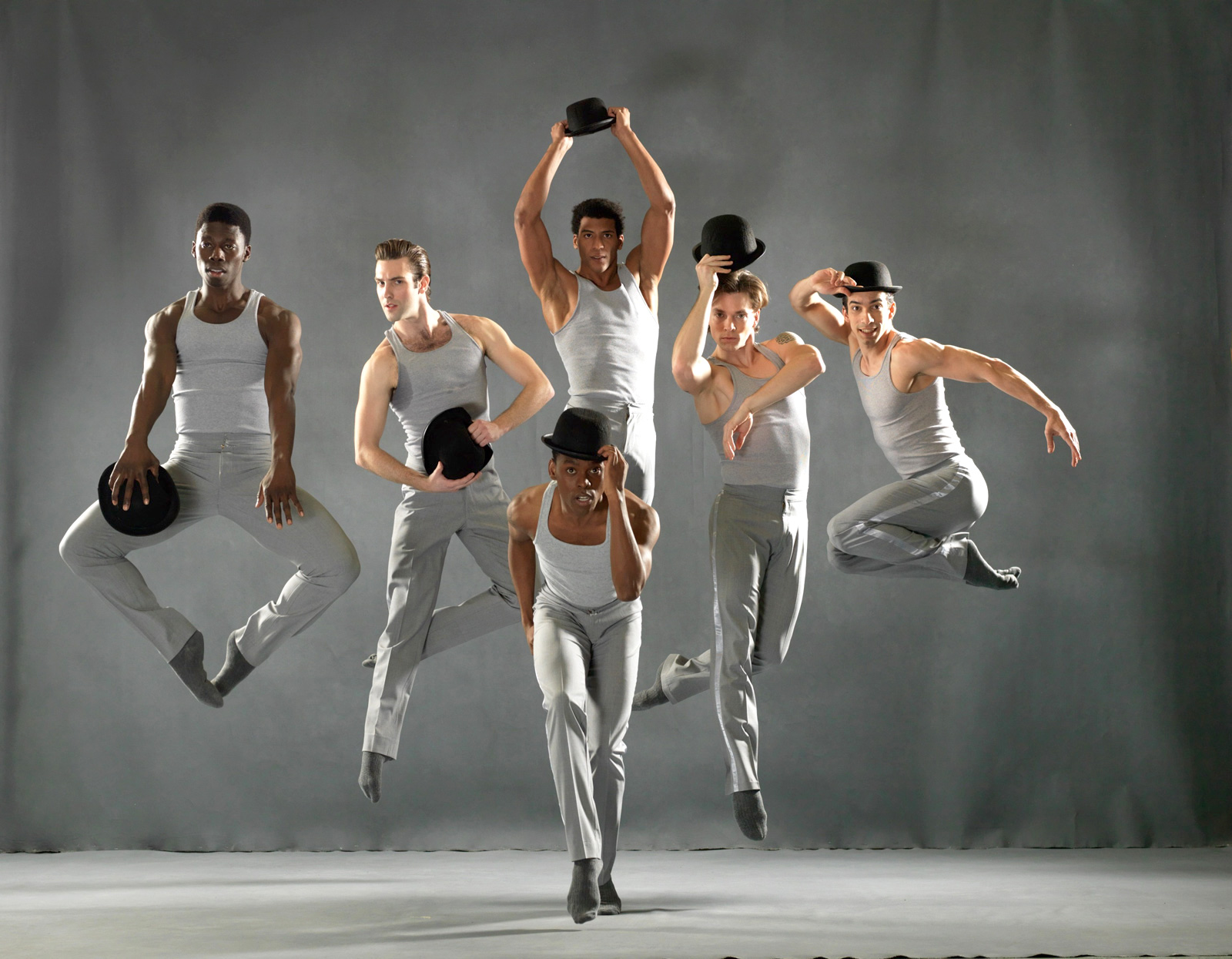
The Washington Ballet’s season continues later in the fall (Oct. 31 through Nov. 4 at Sidney Harman Hall) with “Contemporary Masters,” including dances choreographed by Merce Cunningham, Mark Morris and Paul Taylor. Dance lovers are already familiar with Cunningham, Morris and Taylor, but these works are a great introduction for those who may not have seen a lot of modern dance. The physical language of Taylor’s Company B may remind some viewers of Jerome Robbins’ The Concert, part of last year’s performance season.
Ballet dancers are trained to create an articulate and stable instrument of their body. In contrast, modern dance techniques and choreography regularly ask the dancer to find momentum, suspension and propulsion from within. These modern dance works are precise but also luscious, and the audience can expect the dancers to rise, naturally, to the challenge of their musicality.
Following “Contemporary Masters” (which really could be called “American Contemporary Masters”), the company returns for the holiday season with 36 performances of The Nutcracker at Town Hall Education Arts Recreation Campus and the Warner Theatre, followed in 2019 by a full-length Sleeping Beauty at the Kennedy Center Feb. 27 through March 3. The Washington Ballet’s artistic director is married to her associate artistic director, and they are charmingly scheduled to work together on the choreography and staging of this Sleeping Beauty, built on Marius Petipa’s original. The season concludes with “Three World Premieres” — with details on the program and casting to be announced — at Sidney Harman Hall from April 3 through 7.

Kent’s predecessor as The Washington Ballet’s artistic director, Septime Webre, was a very big fish in DC’s artistic pond. In his 17 years as artistic director, he is credited with diversifying the company as well as steering its transformation from a small regional institution into a union company with an annual budget of more than $12 million. (It may seem unseemly to speak of money, but you can’t pay dancers and musicians without the funds.) When, at the end of his expiring contract in 2016, Webre decided to walk away from leadership of The Washington Ballet, there was reasonable trepidation. But his replacement has impressed in every way. Although Kent is entering her third season at the helm of The Washington Ballet, this is just her second directing programming. When she took over in July 2016, the performance season for the upcoming fall and spring — dates and repertory — had already been set.
In her long-running career as a star performer with American Ballet Theatre, Kent was known for powerful and sensuous performances. As artistic leader for DC’s ballet troupe, she is leading the company toward that same virtuosity.
“Since our arrival in 2016, we have brought to the TWB’s repertoire ballets by Balanchine, Ratmansky, Cranko, Tudor, Ashton, Peck, Robbins, and have created evenings dedicated to new work,” Kent said. “One of my main objectives [as artistic director] is to build and broaden the repertoire so that it may serve as a strong artistic foundation for the dancers, the audience, and the institution itself.”
Visit The Washington Ballet for more information about its 2018-19 season.
Watching dancers re-visit roles is, of course, rewarding for the whole audience, as well as an important aspect of the development of great artists in the future.
Ballet is an incredibly beautiful kind of art that produces just an indelible impression on the audience, but it requires incredible preparation from the dancers.