

Council votes to create new office to facilitate ‘safe and vibrant’ nighttime economy
The DC Council gave final approval this week to legislation that will create a new Office of Nightlife and Culture to help coordinate the District’s after-hours economy. Located within the mayor’s office, the agency will also provide support for the growing number of businesses that operate between 5 p.m. and 2 a.m.
The council set aside $291,067 in the District’s 2019 budget to hire a director and two staff members for the Office of Nightlife and Culture, so Mayor Muriel Bowser can move quickly to establish the office once the law takes effect.
Ward 4 Council member Brandon Todd first introduced what’s now known as the Office of and Commission of Nightlife and Culture Establishment Act of 2018 a year ago as a way to bridge the gap between DC’s nightlife and local government agencies. The new office would serve as a liaison among businesses, residents and city officials. Meanwhile, government, private-sector and community representatives on the commission would advise the office, the mayor, the council and the public on how to improve policies and laws that affect nightlife establishments — including bars, restaurants, clubs, theaters, and sports, recreation and entertainment venues — and nearby residents.
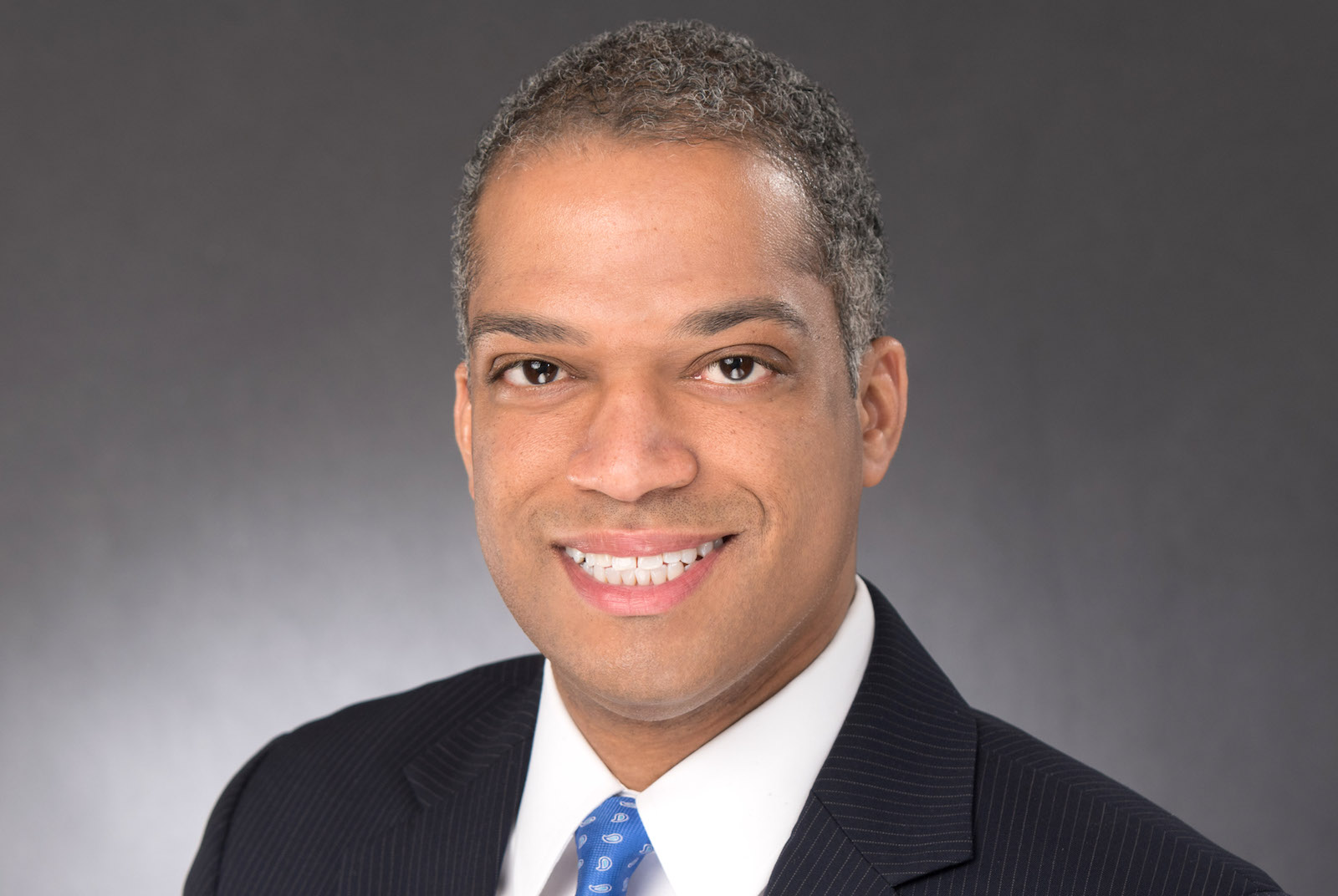
“Even though nightlife in DC has been growing, it’s presented new challenges to communities, such as trash, parking, noise, criminal activity,” said Joshua Fleitman, spokesperson for Todd. “This office would act as a central liaison.”
According to the Washington DC Economic Partnership, DC’s hospitality industry accounted for 80,000 jobs in the District as of May 2017, having grown 6 percent from the prior year.
The council’s Committee on Government Operations — which Todd chairs — held a public hearing on the legislation last November and approved a revised version in June. The bill was also assigned to the Committee on Business and Economic Development, which marked up the legislation in July. The council gave initial approval last month before taking a final vote on Tuesday.
During the Nov. 8 public hearing, the council heard public testimony both for and against the proposal to create the new office.
“The legislation will help manage and grow the nightlife industry,” said Vinoda Basnayke, a business entrepreneur and owner of Versus Equity. “[The office] will be helpful to both business owners and neighbors for addressing potential problems that occur during the nighttime hours.”
Audrey Nwanze, co-chair for the Community Alliance for Upper Fourteenth Street, also testified in support of the bill. Nwanze said the office would help the industry grow by providing outreach and education that would, over time, save business owners time and money. The staff and commissioners could also help reduce the challenges that stymie new nighttime business in the District, she said.
Denis James, president of the Kalorama Citizens Association, testified against the bill “in its entirety” as unnecessary and counterproductive given that DC agencies such as the Alcoholic Beverage Regulation Administration already manage various aspects of nightlife businesses. As a civic leader in Adams Morgan, James is active in pushing for agencies to enforce rules governing noise and other impacts that can arise from the neighborhood’s many restaurants and bars.
“There is no need to re-create the system,” James said. “This would only lead to confusion about which rules need apply.”
James is not alone in such fears, with some in the nightlife industry worried that the office would regulate their businesses and lead to more taxes. But Todd’s spokesperson said that the concerns are based on a misreading of the bill’s intent. Fleitman stressed that the new office and commission are meant to act “only as a resource,” not as a source of new regulatory requirements.
The committee report notes that the name change to the Office of Nightlife and Culture — it was originally to be the Office of Nightlife — was an attempt to “dispel the misnomer” that the office was being created “to serve the bars, club, and beverage industry.”
“This bill will solidify the District’s commitment to supporting the businesses, workers, artists, and residents [who] comprise the District’s diverse nightlife culture,” the committee report says. “The Office will serve as a central point of contact between District agencies, the industries of the nighttime economy, and District residents. The Office will promote a safe and vibrant nighttime economy that benefits businesses and residents alike.”
Among other responsibilities, the agency’s director would serve “as the intermediary when any issues arise between the District government, Advisory Neighborhood Commissioners, residents, and nightlife establishments” and would review information on citations and complaints to “develop recommendations to address recurring problems or trends,” according to the legislation. The office will also provide nightlife establishments with information on training programs aimed at preventing sexual harassment and assault in the workplace.
Acting in conjunction with the Office of Nightlife and Culture, the newly established commission would advise the mayor and District government agencies on issues affecting nightlife and culture. The legislation says the 15-member commission should consider common complaints, public safety and traffic issues, community development concerns and economic impact in formulating suggested improvements on regulatory and policy issues that affect the nightlife sector.
The Commission on Nightlife and Culture will contain eight ex-officio members, who will represent the Office of the Deputy Mayor for Planning and Economic Development, the Department of Consumer and Regulatory Affairs, the Department of Small and Local Business Development, the Alcoholic Beverage Regulation Administration, the Commission on the Arts and Humanities, Destination DC and the Washington, DC Economic Partnership.
The mayor will select the other seven members, but the legislation specifies that the appointees must represent aspects of the District’s diverse nightlife culture. For example, one member must be the owner of a business with an Alcoholic Beverage Control license; another must sit on the board of directors of one of the city’s business improvement districts. Slots are also set aside for a visual artist; an artist or director in the performing arts; a musician or producer who works in the music industry; a representative of an advocacy group involved in preventing sexual harassment and assault; and a dean or director of student life at a DC college or university.
“This bill will help establishments grow — and while the growth continues, so does the support for District nightlife,” Fleitman said.
According to Todd’s office, Mayor Bowser will hold a public bill-signing ceremony on Oct. 18 at 5 p.m. at The Park at 14th, located at 920 14th St, NW. Once she has signed the bill, the measure will proceed to congressional review.
This post has been updated to correct the spelling of Audrey Nwanze and to use the bill’s final name.
Comments are closed.