

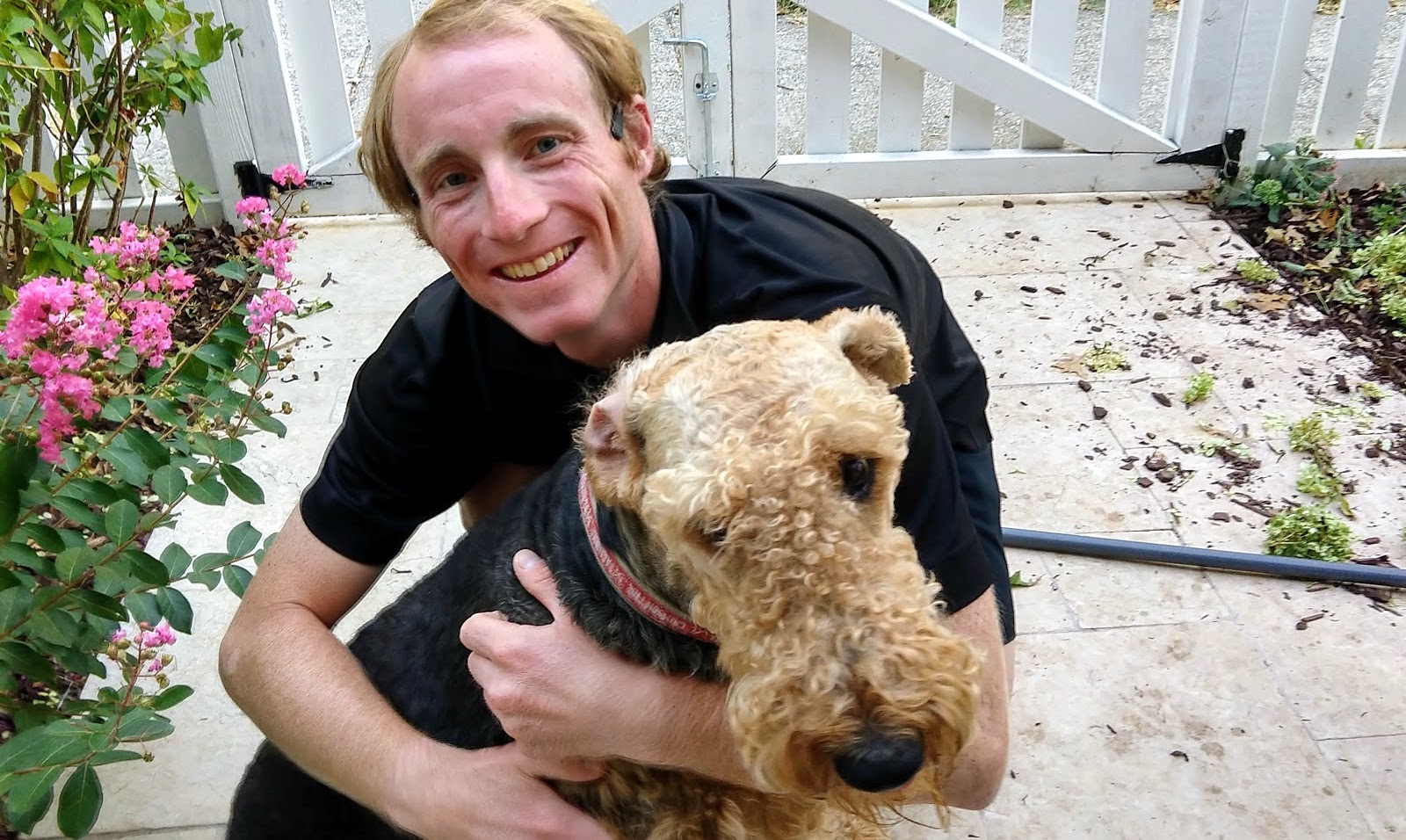
Gordon Chaffin: What it’s like to be working poor in DC
The most difficult part of having to scrape together money for the bills is finding the time, energy and emotional resilience to do the things you know you should do — once you’ve done the things you have to do. The working poor, the working class, living paycheck to paycheck — call it whatever you want. The people living this way aren’t lazy or stupid. They’re just tired. Damn tired. And they need some more help.
I’m a working-poor person. As I write this, I don’t yet know how I’m going to pay my December rent. It doesn’t seem like it because I have cultural and financial privilege. I’m a creative-economy professional living in DC. I started a local news organization this year after a long period of un- and under-employment. I’m a white man with a master’s degree, parents who’ve helped me pay bills for a few months during lean times, and a flexible, relatively affordable living situation. In public spaces, I pass as a young professional with a normal 9-to-5, and that affords me advantages.
But my financial situation is extremely dire. The fight to stay afloat with several jobs on a gig economy treadmill is taking every bit of energy and crushing every inch of my emotional foundation. This has happened even though I’m a 30-year-old marathon runner. I eat healthy even though it’s expensive. I’m the closest thing to the Energizer Bunny you could plug into this situation of working poverty. Still, my struggles to get beyond small-dollar service work reveal the improbable — close to impossible — illusion of American economic mobility.
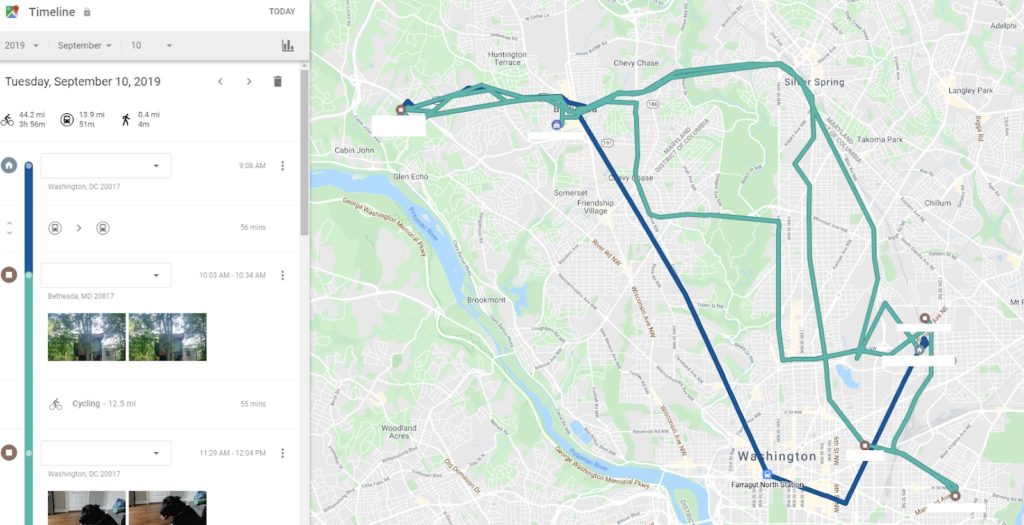
My DC-area journalism startup is successful in all the possible ways except money. The news business doesn’t pay a living wage yet. So, I write for other outlets like The DC Line as often as possible, and I’m a dog walker. Every single week I struggle to bring in enough money to pay bills. I cannot overstate the emotional and physical exhaustion from struggling for every last dollar. Feeling sick? You need that $20. Your dishes have soaked for 36 hours more than intended, the water now cold with soap dissipated, but there’s a critical appointment in 25 minutes followed by seven more gigs. I can’t see my family for Thanksgiving, Christmas or New Year’s this year because I need the higher holiday rates walking dogs.
Working while being poor is so challenging it’s hard to find time and energy to even do the things that pay you money. I’ve had the idea for this column for six weeks and am only now getting to it. A dozen sticky notes and notepad items of a theme: “DC Line Column”; “DC Line Column (for real)”; “DC LINE COLUMN ON BEING BUSY AND BROKE (GOTTA WRITE ASAP).”
Everyone’s busy. Adulthood in 2019 seems to force us all into balance artists spinning plates. That’s not what I’m talking about. What I feel, and what I imagine my less-privileged working-class colleagues live, is a zombie state. We need rest, we need to take care of our health and home, we need to maintain and invest in our human relationships, but we can’t. We need every red cent, even if that means we drive across town for a client at a rate which is, all told, below the 1990s minimum wage.
The working poor can’t stop running on this capitalist treadmill because that means we miss our next bill. But we also can’t keep doing this forever. Our bodies, our minds, simply won’t allow it. This isn’t about being lazy or disciplined. This is about safety. You’re a danger to everyone when you’re driving at 5 a.m. after three hours of sleep. This is about the theft of sanity and the inability to escape. Nothing too constructive or creative comes out of your brain at 11:30 p.m. when you’re trying to catch up on an online training course or map out your kids’ fall school and activities schedule. You’re an unskilled worker, they say. You have to invest in education, you’re told. You know that already, but day care doesn’t accept code-bootcamp certificates as payment.
The struggle to find time to exercise seems like an extravagance, a first-world problem, but regular, intense physical activity is essential to maintaining health. If the least of us eat poorly because we can’t afford good food and can’t work out because there’s no time, our society doesn’t escape the cost. Those become health care costs we all pay for, beyond the reduced well-being of the poorest.
Many of the working-poor and working-class residents in DC and elsewhere experience long-unsolved labor injustices like contingent scheduling, lack of health care coverage, and no paid family or medical leave. Stability requires long-term financial planning, but unpredictable earnings mean you can’t plan for next year — or even next month. The gig economy and “wealth work” have made these contingent jobs even less reliable as stepping stones to careers.
The hardest part about being working poor: You might have the knowledge and will to do all the right things, but you can never assemble simultaneously the physical energy, emotional health and available free time. Put another way: The people helped by DC’s housing policies — individuals and families earning below 60% of the Area Median Income — aren’t ignorant of budgeting, and their laziness isn’t what’s keeping them in subsidized housing.
A lot of Americans and many DC residents are ignorant of the working-class experience. You find a lot of them at public meetings micro-managing affordable housing proposals and in comment threads on news stories about programs for the poor. In the national political debate, “the working class” is a term mostly used to describe non-college-educated white voters in the Midwest and industrial Northeast. In DC and other coastal cities, it’s an apt term to describe low-wage and salaried workers struggling to make ends meet.
Know that most poor people who can work do so. Know that it’s extremely hard — certainly unsustainable for health — to pay bills without college attainment and in-demand skills, and that even those credentials don’t preclude falls into poverty. Know that poverty comes in all colors and that income isn’t as close a proxy for “good prospective neighbor” as wealthy residents seem to think. Know that paternalistic education programs serve more to shame those working through poverty than give them concrete tools. Poor people like us need real services, real hands lifting us up from this treadmill of compulsory living to pay the next bill.
Local or state governments should provide paid medical, sick and family-care time if gig-services and shift-work employers aren’t required to provide it. Regulations should establish a “workers bill of rights” that requires companies to inform workers of their schedules well in advance and to consider reasonable change requests. If jurisdictions like DC won’t force businesses to classify contingent labor as employees with mandated benefits, they can and should take fees from the firms to pay for government-provided leave and other benefits.
Whether you like the two-tier minimum wage for tipped workers or you supported Initiative 77, not much else is happening to give us working poor in DC more help. Not that creating a commission would necessarily mean anything, but even legislation to establish a Commission on Poverty in the District of Columbia — introduced in January by all 13 members — hasn’t even gotten a public hearing. I’m not an expert, but I don’t see any movement from the DC government to make the situation better.
Gordon Chaffin is a reporter for Street Justice, a daily email newsletter covering transportation and infrastructure throughout the Washington region, especially in less privileged, rapidly changing neighborhoods. Street Justice produces a free, weekly digest on Sundays and publishes daily reports for subscribers that include a story, a calendar of local public meetings and a list of projects open for public comment. To submit a pledge for a subscription, click here.
Thank you sharing your story. Most people in the middle and upperclass have stereotyped images of the “poor” as someone very different from themselves. Your story reminds us that everyone is susceptible of financial struggles, even people working in the professional world. It’s frightening how income inequality is getting worse and worse. We all need to do our part, on a policy level and individually, to bring everyone up to a living wage.
Illuminating and so true. I still remember the days I survived on stale bread sales when living in NYC . At the same time, judging from your writing, you are way too articulate not to get a white collar job in DC. Though article, because there are women and men working at ACE hardware store, PEETS cafe, trader Joes, and they are OK, some commuting long from Northern VA.