

Council passes COVID-19 legislation to protect against ‘almost certain economic insecurity’
Meeting in an alternative hearing room to enable social distancing, DC Council members today unanimously passed emergency legislation regarding COVID-19 relief.
The COVID-19 Response Emergency Amendment Act was introduced by all council members and is supported by Mayor Muriel Bowser, who said Monday that she would “sign it as soon as it hits my desk.” The legislation covers a wide range of individuals and groups, including employees, businesses, consumers and government bodies.
“We must put the health of our community first, and must ensure the long-term fiscal health of our city,” said Ward 5 Council member Kenyan McDuffie. “We must also recognize that for many of our most vulnerable residents and small businesses this is a matter of survival.”
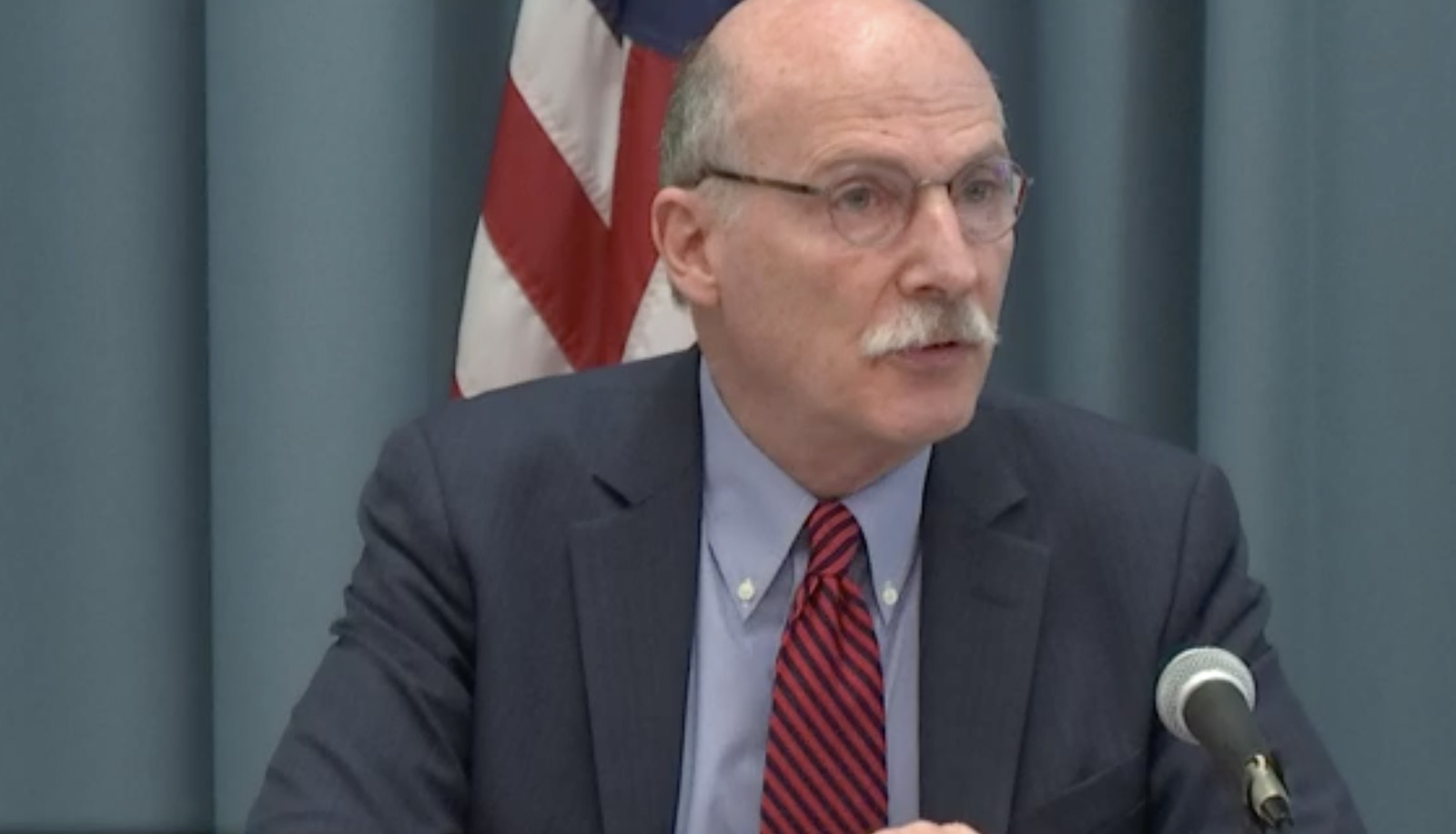
The legislation postpones the March 19 deadline for Bowser to submit the fiscal year 2021 budget to May 6 with the option of a further extension. Council Chairman Phil Mendelson said in a press briefing on Monday that it is too early to determine the full economic impact of the coronavirus and associated public health measures to limit its spread, and the city’s chief financial officer said today that he will prepare new, lower revenue estimates for the Bowser administration to use in crafting next year’s budget.
Grants to small businesses and funds to provide temporary tax relief will be pulled from the District’s $1.43 billion rainy day fund. According to the legislation, the mayor would have authority to make grants available to small businesses, nonprofits and some independent contractors for paying employee health insurance, business operating costs, and repayment of loans.
The bill includes a provision allowing various types of businesses to defer sales tax payments for February and March until July 20, essentially using the District’s cash to provide relief now without a hit to the government’s budget; the city’s hotels — hit hard by unusually low occupancy levels — will instead receive a three-month deferral of property tax payments until June 30.
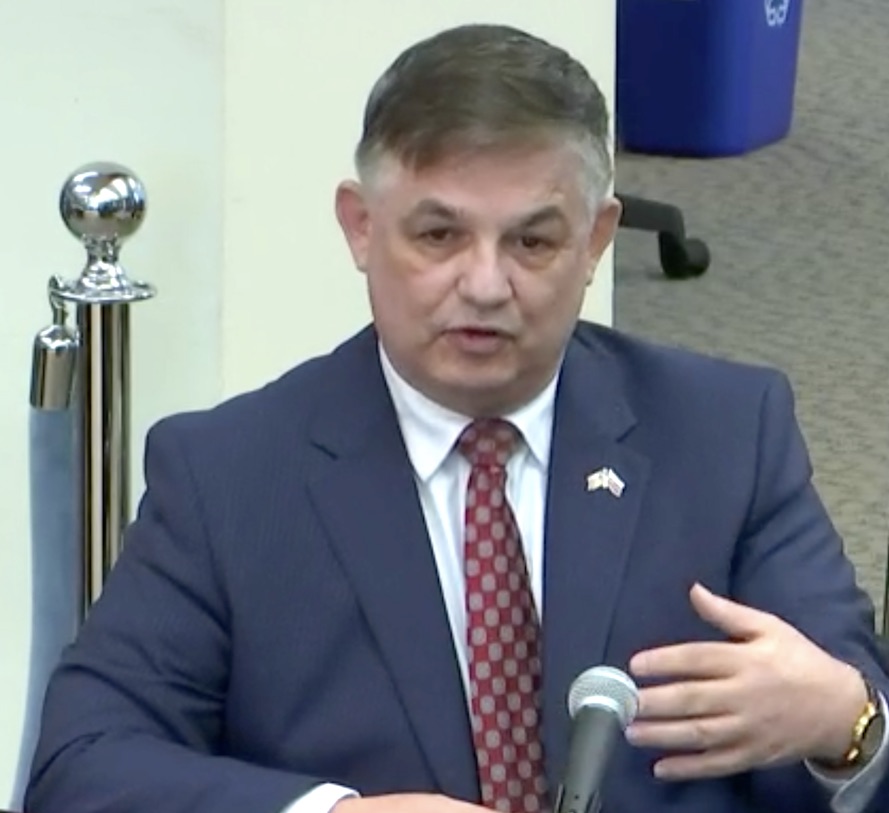
“This is not an abatement of taxes, but it is in essence a short-term interest-free loan to businesses totalling about $266 million,” said Mendelson. He cautioned that these deferrals will substantially reduce the District’s liquidity, which is why his consultations with DC Chief Financial Officer Jeffrey DeWitt determined a third month of tax relief or deferment isn’t feasible.
Mendelson voiced concern that the “national response to the pandemic has provoked a severe recession.” DeWitt, speaking at the meeting, said “as happened during the 2008 financial crisis, we monitor these things weekly and sometimes they change rapidly.” Modeling how coronavirus-related declines in the hospitality and food service industries have already reduced the city’s tax revenues, DeWitt said officials would need to cut nearly $500 million from the 2020 budget if the current scenario continues through the end of June. However, he advised residents against panic.
“We are not in financial trouble,” added DeWitt. “We are starting this in the best financial state of our history. We are in better shape than probably any large city to go through this.”
DeWitt noted that the hospitality industry, which includes hotel workers and those in food service, makes up nearly half of the District’s annual sales tax revenue, 8% of income tax revenue, and 14% of DC employees.
McDuffie said the legislation helps as many people as possible with the resources that exist.
“The measure before us today includes resources to mitigate the almost certain economic insecurity that will result to many workers and businesses,” said McDuffie.
Ward 8 Council member Trayon White pointed to the legislation’s protections for those who are experiencing financial hardships during this crisis, including prohibitions against tenant evictions and disconnection from electric, water and gas service. Additionally, the bill bans price gouging and includes measures to ease deadlines or application requirements for the DC Health Care Alliance, Temporary Assistance for Needy Families, and the Supplemental Nutrition Assistance Program.
Attorney General Karl Racine said in a news release that his office intends to “vigorously enforce” the newly enacted tenant and consumer protections. “The Office of the Attorney General will educate residents about these protections and businesses about their legal responsibilities, and will enforce the law against wrongdoers who seek to exploit District residents — particularly our most vulnerable — during this crisis,” Racine said.
The bill also expands eligibility for unemployment insurance so it covers all workers affected by the public health emergency, including most self-employed people and independent contractors. Provisions are also designed to speed up receipt of benefits without the usual one-week waiting period; another change means recipients won’t be required to look for work.
“If you are an employee and you have experienced a layoff or a reduction of work, please apply for unemployment insurance,” urged at-large Council member Elissa Silverman. While the city’s American Job Centers are closed, residents can visit DOES.DCNetoworks.org or call 202-724-7000 for assistance.
Additional legislation is likely as the District moves through the pandemic, council members said. Council meetings are expected to be held virtually or semi-virtually moving forward, prioritizing essential and necessary legislation, Mendelson said.
“This is not the end. This is a rapidly evolving scenario that we face,” said Ward 3’s Mary Cheh.
Comments are closed.