


Kimberly Perry: We should invest in communities, not double down on tough-on-crime policies
District leaders say they understand how difficult the past two years of the COVID-19 pandemic have been for District residents, especially the Black and brown families who have borne the brunt. They say our recovery plans should touch every part of the city and offer a transformative approach to solving community problems. This is what makes Mayor Muriel Bowser’s proposal to increase the Metropolitan Police Department budget by more than $50 million disturbing.
Yes, there has been an uptick in carjackings and gun violence, requiring a serious response. Every District resident deserves to feel safe and secure. But when other jurisdictions are moving away from involving police in everyday interactions, why are we proposing to double down on failed tough-on-crime strategies and recommitting ourselves to a model that doesn’t work?
Given the District’s relatively minuscule budget for essential youth-serving programs, the increased funds being directed toward police — $30 million for enhanced recruitment, training and retention efforts, plus $22 million for MPD’s Youth and Family Engagement Bureau — should instead be used to make a meaningful and positive impact on people’s lives. The city can best do this by supporting the types of programs communities want and need and by seeking to address root causes of violence. Budgets test our commitment to our professed values by asking us to go beyond rhetoric to commit real resources toward addressing community concerns. Our youth cite the serious issues of gun violence, limited after-school activities, and economic uncertainty as problems for their communities. We need to act on those very real concerns.
This pandemic is a once-in-a-lifetime phenomenon that has caused incredible pain, suffering, and social isolation. We should seek to alleviate this misery by investing in our people, not in policing and incarceration.
The ill-fated tough-on-crime approaches in the 1980s and 1990s fueled unprecedented growth in DC’s incarceration rate. Pursuing these same policies now won’t solve current concerns. This type of approach disproportionately impacts Black and brown residents with lifelong negative consequences.
The pandemic has exacerbated already-grave racial inequities. And if we are serious about addressing them, we must make substantial, long-term investments and policy changes in areas such as economic opportunity, housing, and community safety.
Research by sociologist Patrick Sharkey shows that the more we invest in education and social services for local communities, the safer they become. If we acknowledge that tough-on-crime approaches will not work, it makes sense to develop a more nuanced understanding of what has driven the increase in some violent crimes and to be more deliberate about the types of solutions needed to address them. And if we are being totally honest, it should also force us to confront our own moral crimes that deny people access to housing and economic opportunity and criminalize Black and brown communities.
With the DC Council now hard at work reviewing the mayor’s proposed budget, legislators have an opportunity and obligation to improve it. There are a variety of alternatives to over-policing and over-incarceration that the District can invest in; a few prime examples include out-of-school time programs for youth, targeted workforce development opportunities that result in employment at a livable wage, and improved access to robust mental health services. Instead of focusing on growing the police budget to increase the number of officers, what if we decide to invest those same resources in hiring additional teachers, mental health professionals, social workers, and violence interrupters? We can rely on proven methods of promoting community safety that prevent crime, repair harm, and don’t repeat past mistakes.
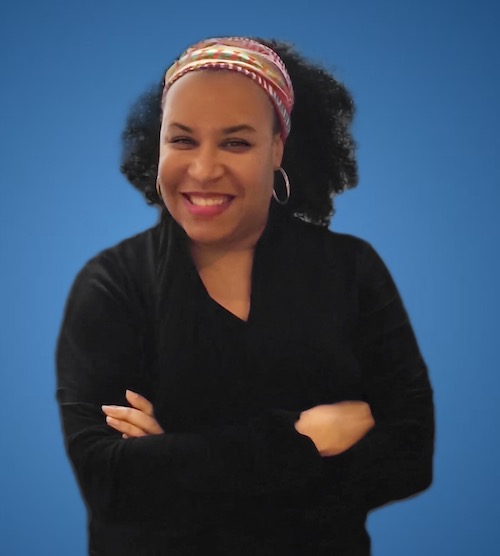
Kimberly Perry is the executive director of DC Action.
Only by demanding a morally courageous budget and reenvisioning policy on community safety can we achieve transformative change that will boldly move us toward an anti-racist DC.
About commentaries
The DC Line welcomes commentaries representing various viewpoints on local issues of concern, but the opinions expressed do not represent those of The DC Line. Submissions of up to 850 words may be sent to editor Chris Kain at chriskain@thedcline.org.
Comments are closed.