

Ronald Waldman and Ranit Mishori: To save lives, we must stop coronavirus from spreading in jails
Around the country, people in jails, prisons and detention centers are contracting SARS-CoV-2, the novel coronavirus that causes COVID-19. Many have tested positive; some have died. Countless more remain vulnerable to transmission. It is inevitable that many more people — inmates and staff — will be affected. And that more will die. Sadly, the situation is no different here in Washington, DC.

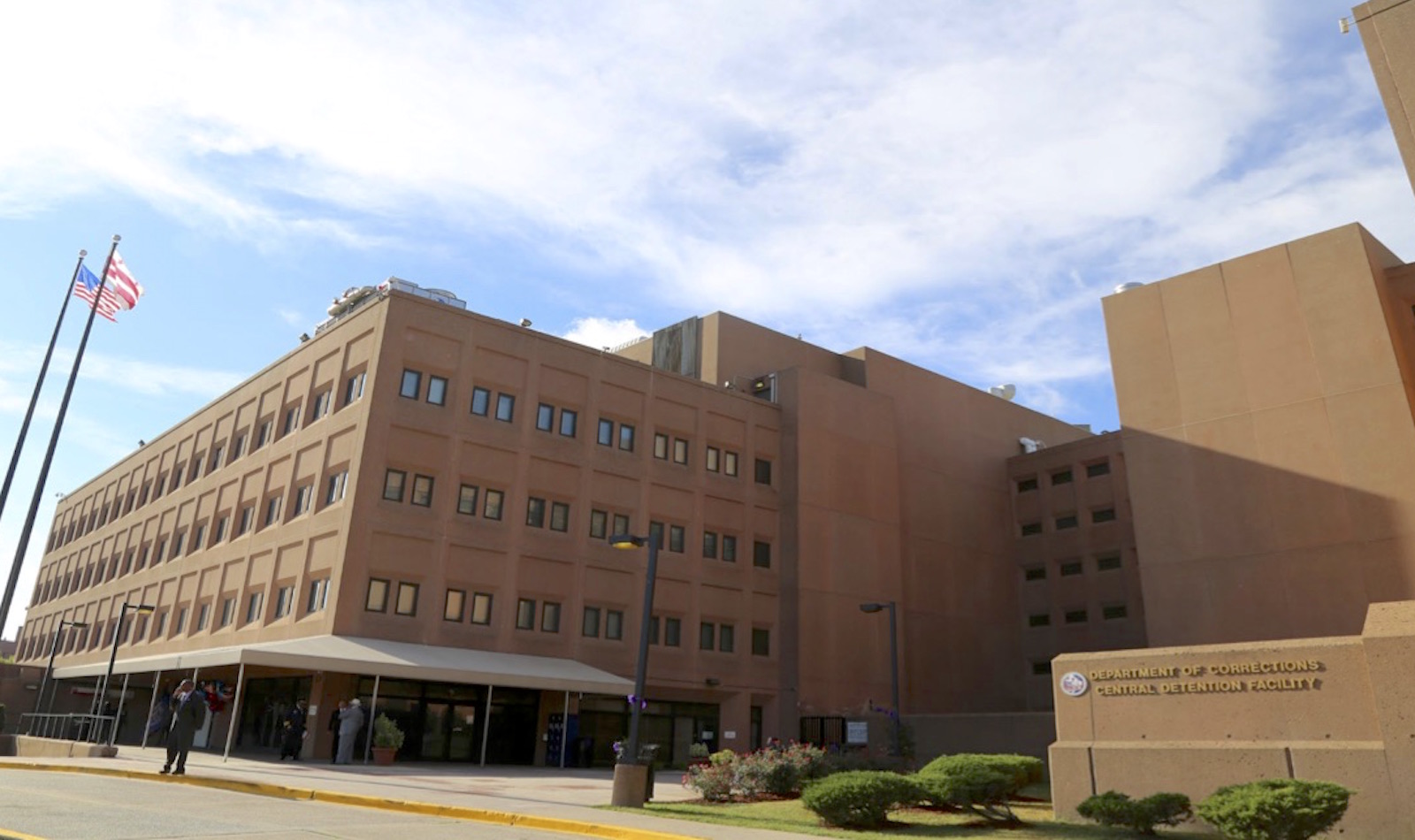
As of March 27, DC Department of Corrections (DOC) facilities housed two people who had tested positive for COVID-19. By April 16, that number was 65, and officials reported the first coronavirus-related death of a man housed at DC Jail — 51-year-old Deon Crowell. A correctional officer died April 16. As of May 30, 80 correctional officers have tested positive in addition to 205 residents of DOC facilities. The infection rate inside the DC Jail is 12 times the rate of the District’s general population. These numbers will, as in other cities, continue to rise quickly.
As public health professionals, we want to sound the alarm for our city. DC jails should take a lesson from New York City, where more than 545 incarcerated people have tested positive, three have died while in custody, and two passed shortly after being released. Our jails should avoid the path of Chicago’s Cook County jail, which has become an epicenter of the pandemic.
There is still time to save lives in DC, but the window of opportunity is narrowing — and it is narrowing fast.
Understanding the urgency, advocates in our city have brought lawsuits and detailed specific actions officials can take; despite all of this, Mayor Muriel Bowser and other officials have not moved quickly enough.
It can be easy to forget that the health of those inside facilities directly affects the health of those outside facilities. Staff travel in and out daily, potentially carrying the virus with them in both directions. And when the virus hits inside a jail or prison, it spreads quickly; more and more people will require urgent medical care. This unnecessary burdening of already limited medical supplies, staff and facilities will affect us all.
The outbreak in other cities will repeat itself in DC and elsewhere if officials don’t act immediately to reduce the number of people being newly incarcerated, and to significantly reduce the number of people already inside. DC’s steps so far have been wholly inadequate. Jails and prisons and even “step-down” halfway houses are ticking time bombs. These facilities are unfortunately ideal settings for an outbreak. Like cruise ships and airplanes, they are enclosed, tightly shared spaces where one infected person can infect many more than in the general public, where people can practice physical distancing. Incarcerated people are housed together in large numbers, eat in groups, share bathrooms, and generally exist in an environment where there is a low level of sanitation, limited access to personal hygiene and medical care, and no real possibility of staying at a distance from others. Hot water, soap and paper towels are frequently in limited supply.
Those who fall ill are at a high risk of receiving subpar care. Jails frequently have insufficient medical care for the population, and medical staff may contract the infection themselves or have to care for family members who are sick. We have heard of both issues arising across the country, leading to reduced staffing and an even more diminished capacity to care for those inside.
As of May 30, 1,339 people were incarcerated in DC’s two jails — still dangerously high despite the drop from 1,747 in mid-March. Those numbers don’t account for the correctional officers, kitchen staff, medical personnel and others who work in these facilities every day. Every effort should be made to reduce exposure to the coronavirus in these settings; however, given the proximity and high number of incarcerated people, correctional staff and health care workers at detention facilities, it is extremely difficult to successfully sustain such efforts.
Along with colleagues sounding the alarm in other cities and states, we call for urgent action on behalf of those behind bars in DC. And we are not alone: Over 30 medical faculty members from throughout DC have joined us in signing a letter to those who have the power to protect our community members.
Officials must reduce the number of people in DC’s detention facilities during this global public health crisis, allowing them to practice the same precautions the rest of us are diligently taking. That is the only meaningful way to stop the spread of the virus. Reducing the jail population now is the only way the District can avoid the scale of outbreak that has taken hold in the jails of other cities and is spreading across the country. As public health professionals, we urge those in positions of power to learn from the lessons of those cities, and to act with the urgency this pandemic demands.
Dr. Ronald Waldman is a professor of global health at the George Washington University Milken Institute School of Public Health, and Dr. Ranit Mishori is a professor of family medicine at the Georgetown University School of Medicine.
About commentaries
The DC Line welcomes commentaries representing various viewpoints on local issues of concern, but the opinions expressed do not represent those of The DC Line. Submissions of up to 850 words may be sent to editor Chris Kain at chriskain@thedcline.org.
Comments are closed.