

David Grosso: DC leaders must pay attention when students explain what they need
This week marks the return to school for most students in the District of Columbia. In the last decade, significant progress has been made to provide quality educational opportunities to our students. There have been great improvements in the management of schools and incremental improvements in academic achievement. To be sure, vital work remains to address issues of inequality, and this requires more investments in research, transparency, and data.
However, as our minds turn to preparing our students to go back to school, now is the perfect opportunity to recommit to meeting their needs through the policy process. We cannot lose sight of the real challenges our students face, both in and out of the classroom, that keep them from showing up to school every day ready to learn.
To do that, we must listen to them.
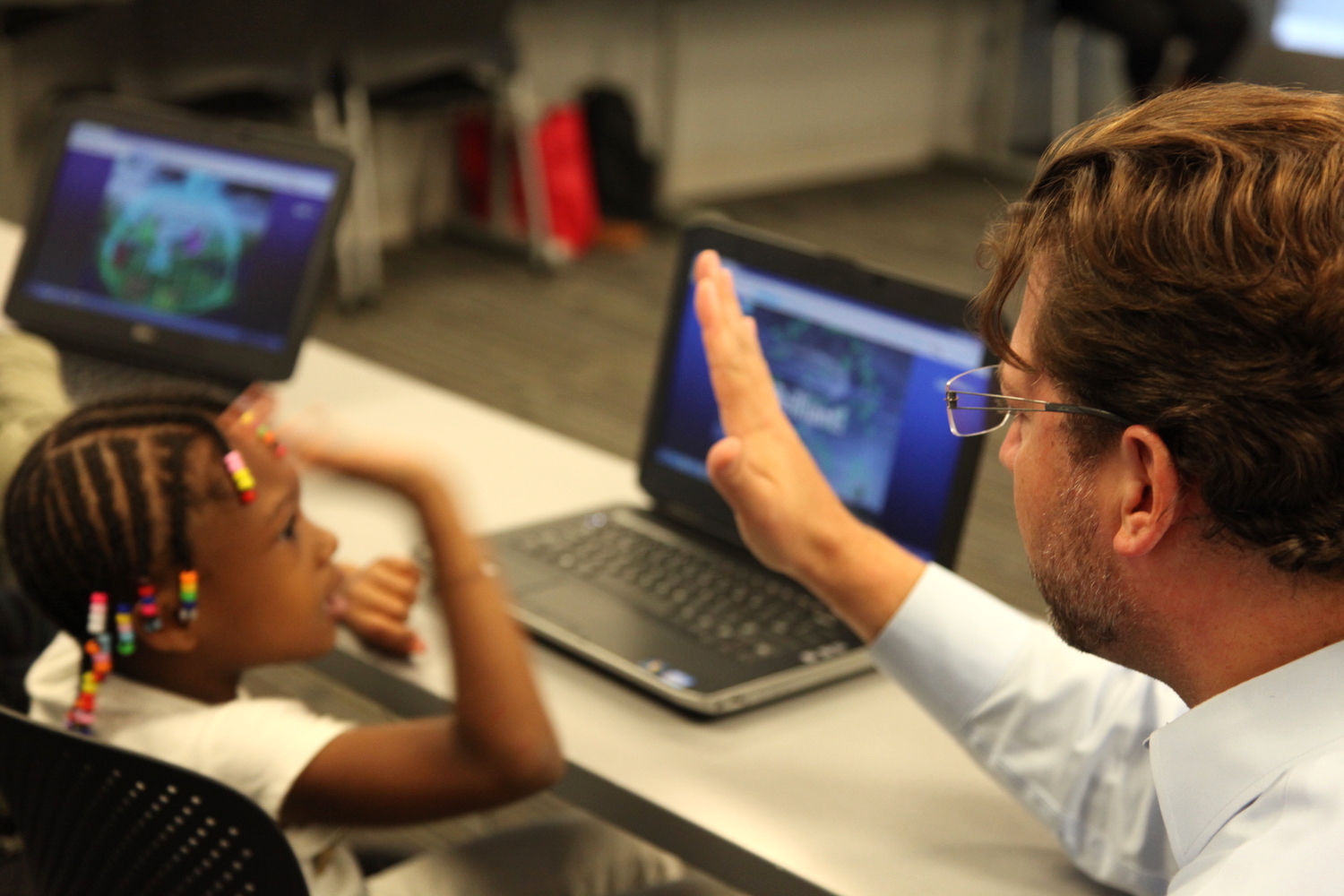
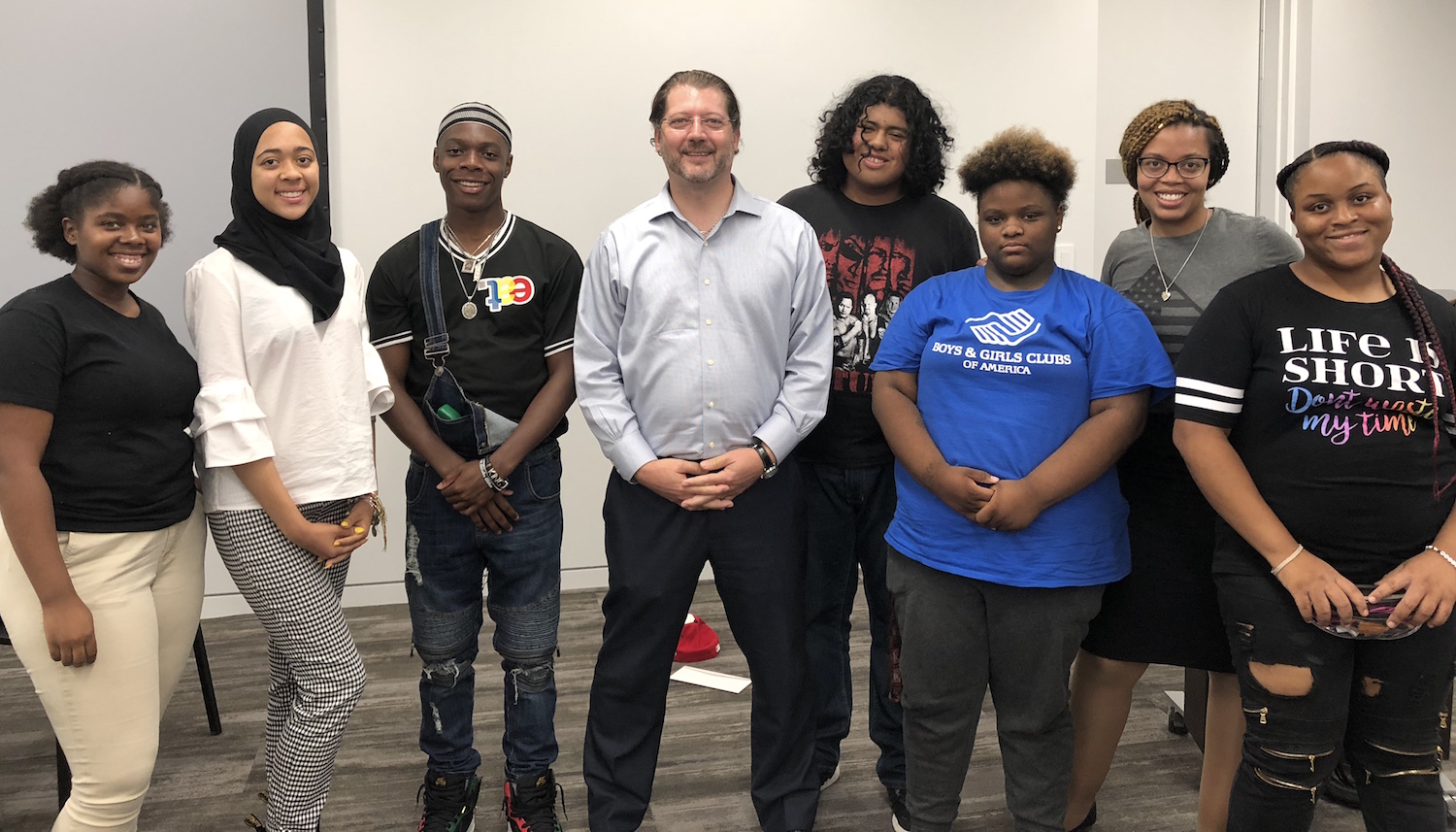
This summer I held town halls in each ward. Rather than focus on the adult problems we typically discuss and explore at DC Council hearings, I turned the leadership of these town halls over to six youth leaders, including Tallya Rhodes, valedictorian of H.D. Woodson High School’s Class of 2018 and a summer intern in my office. Community members had a chance to engage directly with these current and former DC students and hear about the barriers they and their peers face in getting to school, completing their work, and focusing on their goals.
What they told us is that they felt ignored and unheard by many of the adults in conversations about schools and education. Whether it was a lack of resources in their school, a feeling that they were being pushed out, or a fear of even attending school, it was undeniable that we are not meeting their needs. We are not providing loving, caring, and safe school environments for every student, nor are we doing enough to engage students in the discussion to create such environments.
These students were keenly aware of the differences in resources they see in their own schools versus other parts of the city. Many complained about spotty internet connections and an absence of functioning laptop computers. It is discouraging to hear about this lack of resource equity from so many when, as chair of the DC Council’s Education Committee, I have worked to provide greater investments to our education system. Access to technical support and state-of-the-art technology should not be determined by the fundraising capacity or political connectedness of parents. As a city, we must invest our funds in an equitable manner and hold both the DC public schools and the charter schools accountable for ensuring that at-risk funding and extra investments are guaranteeing access to the same basic necessities and curriculum to every student.
Discipline also came up frequently in these town halls. One of the youth leaders shared her experience of constantly getting into trouble for minor violations, such as her school’s dress code. She spoke of being pushed out of multiple schools all while feeling like no one was taking the time to understand what was going on in her life. She felt that no one cared.
This year the council unanimously approved my Student Fair Access to School Act, which curbs the use of exclusionary discipline for minor infractions. I also increased funding for restorative-justice practices and community-schools programming, which set students up for academic success by addressing their academic, health, and social needs through community partnerships. I believe these reforms will go a long way to helping our schools address students’ underlying challenges once they are fully implemented.
Perhaps most heartbreaking of all was the discussion of community violence. At the Ward 7 town hall, just days after the murder of 10-year-old Makiyah Wilson in Northeast DC, students told us that they don’t feel safe, and not just on their way to school. The problems our communities are experiencing with violence do not stop at the school doors — several students recounted incidents where they knew peers had brought weapons onto campus out of fear for their own safety, not out of any intention to do harm.
This is not a burden our children should shoulder.
These are complex and serious issues, and I do not pretend to have the solutions to them all. My hope is that we will begin to show our students that they are loved and cared for by listening to these concerns and making them the major focus of our education efforts going forward. We have a major opportunity to do that as we head into this new school year.
At some point over the next few months, the mayor will nominate a new DC Public Schools chancellor and a new deputy mayor for education. While I’ll be encouraging the next chancellor and deputy mayor to build upon the successes our education system has seen, it is imperative that they, along with the mayor, myself, my council colleagues, administrators, teachers and parents, address the concerns raised by our scholars in my town halls and provide more platforms for our students’ voices to be heard. They have ideas about what is needed to accelerate our growth. We should hear them out.
One place to start is a blog post by Tallya Rhodes, who provides great insight into what our students have to say. You can read it here.
David Grosso is an at-large DC Council member and chairs the council’s Committee on Education.
About commentaries
The DC Line welcomes commentaries representing various viewpoints on local issues of concern, but the opinions expressed do not represent those of The DC Line. Submissions of up to 850 words may be sent to editor Chris Kain at chriskain@thedcline.org.
Comments are closed.