


Barbara Harman: Why giving locally matters more than ever
Now that Thanksgiving has passed and what has traditionally been called “the giving season” gets underway, I find myself wondering what local philanthropy is going to look like in the months and years ahead. In a time of relentless breaking news, it has been impossible not to focus on the issues most immediately, and most pressingly, before us: midterm elections, immigration, violence against women, anti-“other” acts and their sometimes-deadly consequences. And there is no doubt that these both demand — and deserve — our keen attention, compassion and resources.
At the same time, we must not lose sight of other pressing needs just because they aren’t as visible to us. There is quiet work happening every day across this region — at nonprofits such as Mamatoto Village, which seeks to reduce the devastating maternal and infant mortality rates (the latter, as The Washington Post recently reported, is a staggering 10 times higher in Southeast than in Northwest); Mi Casa, which addresses the high rate of homelessness by creating safe, affordable options for its clients (DC has the highest homeless rate among 32 major metropolitan cities); and DC Greens, which provides 30,000 low-income residents with the healthy farmers market produce they need but can’t afford (despite improvements in this area, one in four DC households experience food insecurity every year).
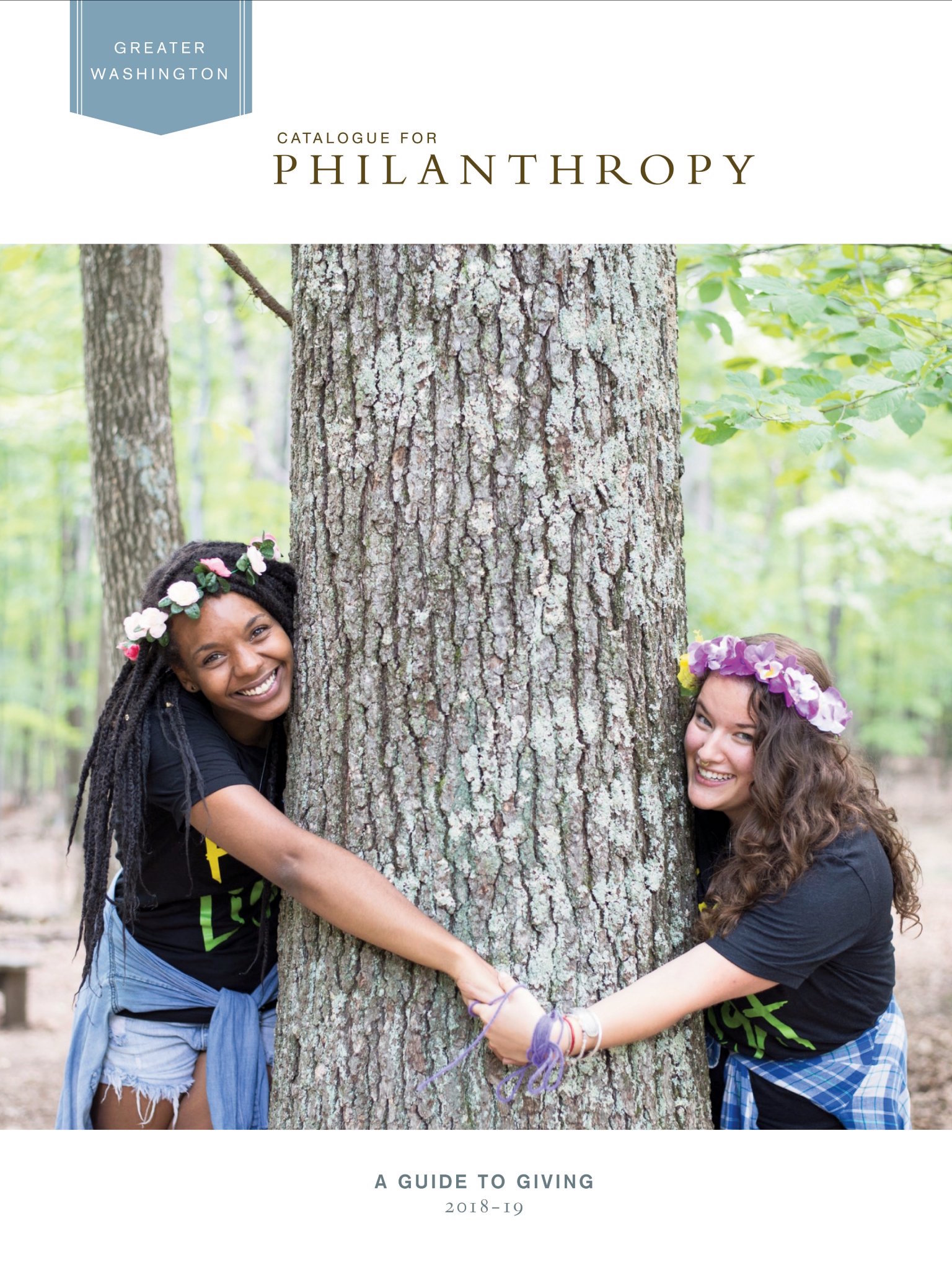
For those of us who believe in the power of words to change the world, we need to find ways to tell the stories that matter, to make sure they are heard, and to stick with them long-term so that everyone who lives here is aware of the issues that affect our community — and the vital work that is happening around us. This is our mission at the Catalogue for Philanthropy: Greater Washington, where we vet and select the best community-based nonprofits in the DC region, create visibility for them in our attention-seizing print and digital catalogues, build their strength through targeted trainings and workshops, and spread the word about their critically important work. In fact, this is a mandate we all share: We must make these voices louder, create space for meaningful alternative narratives to the ones that dominate the headlines, and support the causes that will make our community stronger.
How, as a community, do we create, and sustain, our interest in and commitment to this work? How do we create the opportunity for a quieter kind of empathy in the midst of the megaphonic breaking news that captures our attention? How do we nurture the capacity to say, “These, too, are human persons with lives and families as valuable to them as my life and my family are to me”? These are the questions that inform our daily work at the Catalogue for Philanthropy.
When civic-minded people respond to disturbing headlines by volunteering or making charitable contributions, they may wonder whether they also have the bandwidth to support the community arts center that provides kids with enriching and safe after-school opportunities, or the wrap-around services that help at-risk youth graduate from high school. My response is simple. We must do both. Because this is a year to dig deep. This is a year in which we should tell ourselves that donating to hurricane relief, contributing to organizations that reunite separated families, or supporting the political candidates of our choice are all critically important. But it is also a time for us to declare that we won’t look away from the needs of our own community — where income inequality remains a stubborn problem, where poverty and its devastating consequences run deep, and where too many have simply been left out of the prosperity that others enjoy.
And to make my charge even stronger, I would add that this is the year in which we must stop thinking about charitable giving in relation to the charitable deduction. For some, that relationship will remain; but for many, because of the recent changes in the tax law, it will not. Still, no one has eliminated the ethical imperative to lift each other up, to give generously, to help others, to have a powerful sense of common cause. Charitable giving is an alternative form of speech, a way of giving voice to the things that matter to us, tax incentive or none.
And, this year, if you have already given to causes that have dominated the news, then dig deep and give more, give again, give anyway. Make that giving a statement. In truth, it already is.
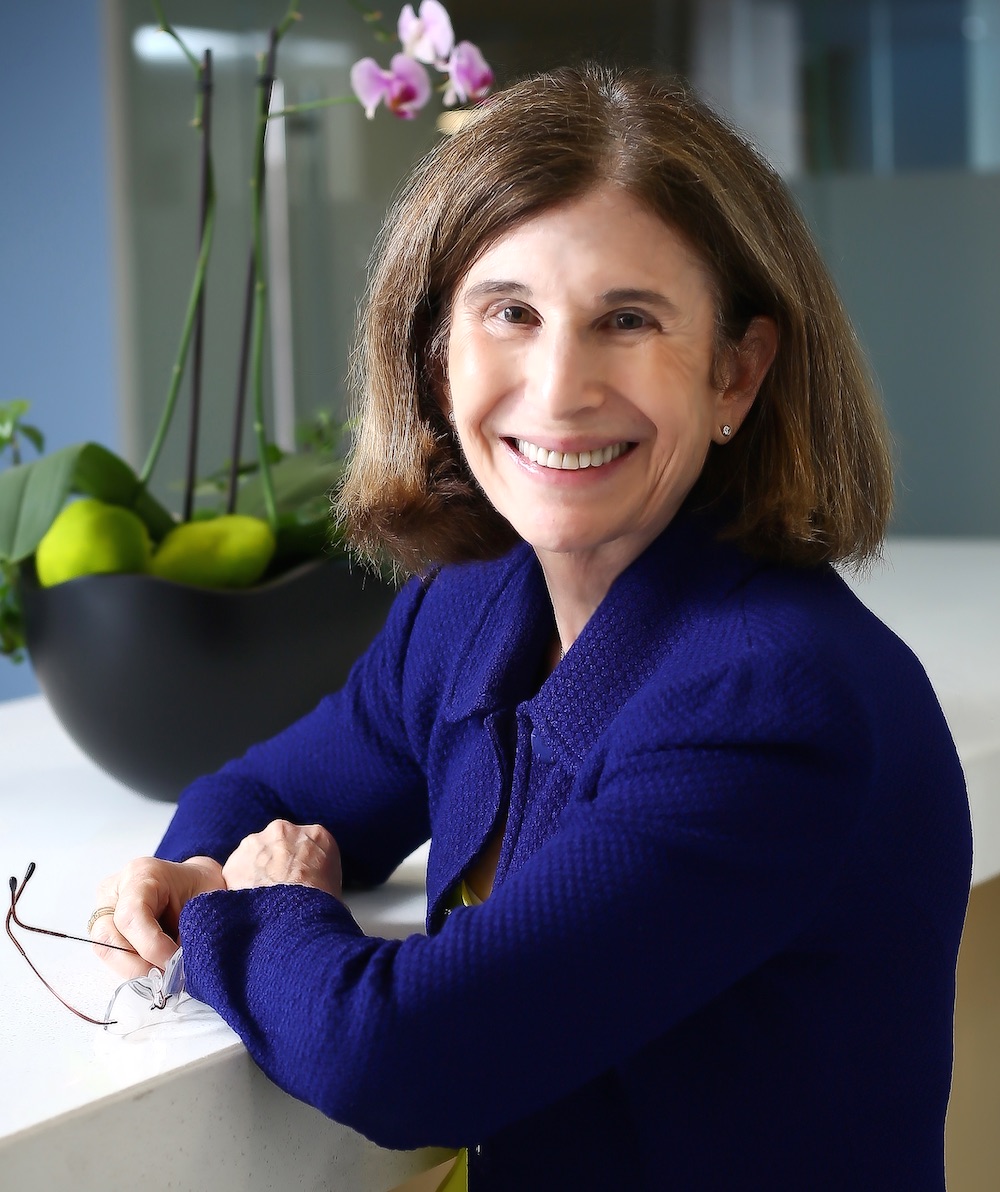
Barbara Harman is founder and president of the Catalogue for Philanthropy: Greater Washington, where these and other vetted nonprofits can be found. She is also executive director of the Harman Family Foundation.
About commentaries
The DC Line welcomes commentaries representing various viewpoints on local issues of concern, but the opinions expressed do not represent those of The DC Line. Submissions of up to 850 words may be sent to editor Chris Kain at chriskain@thedcline.org.
Barbara, your words resonated deep within me, as you highlighted the magnitude of local community needs. I will not lose sight of them again. Although I did donate to the Pittsburgh shooting victims during the ‘Giving Season’ that just ended, I will now ‘give more, give again, and give anyway’ to my lesser known, highly-deserving, local charities. Thank you for opening my eyes and my heart. Happy New Year! 🙂 <3