

Elizabeth Davis, Alyssa Noth and Qubilah Huddleston: Prioritize investments in education to meet increased student needs
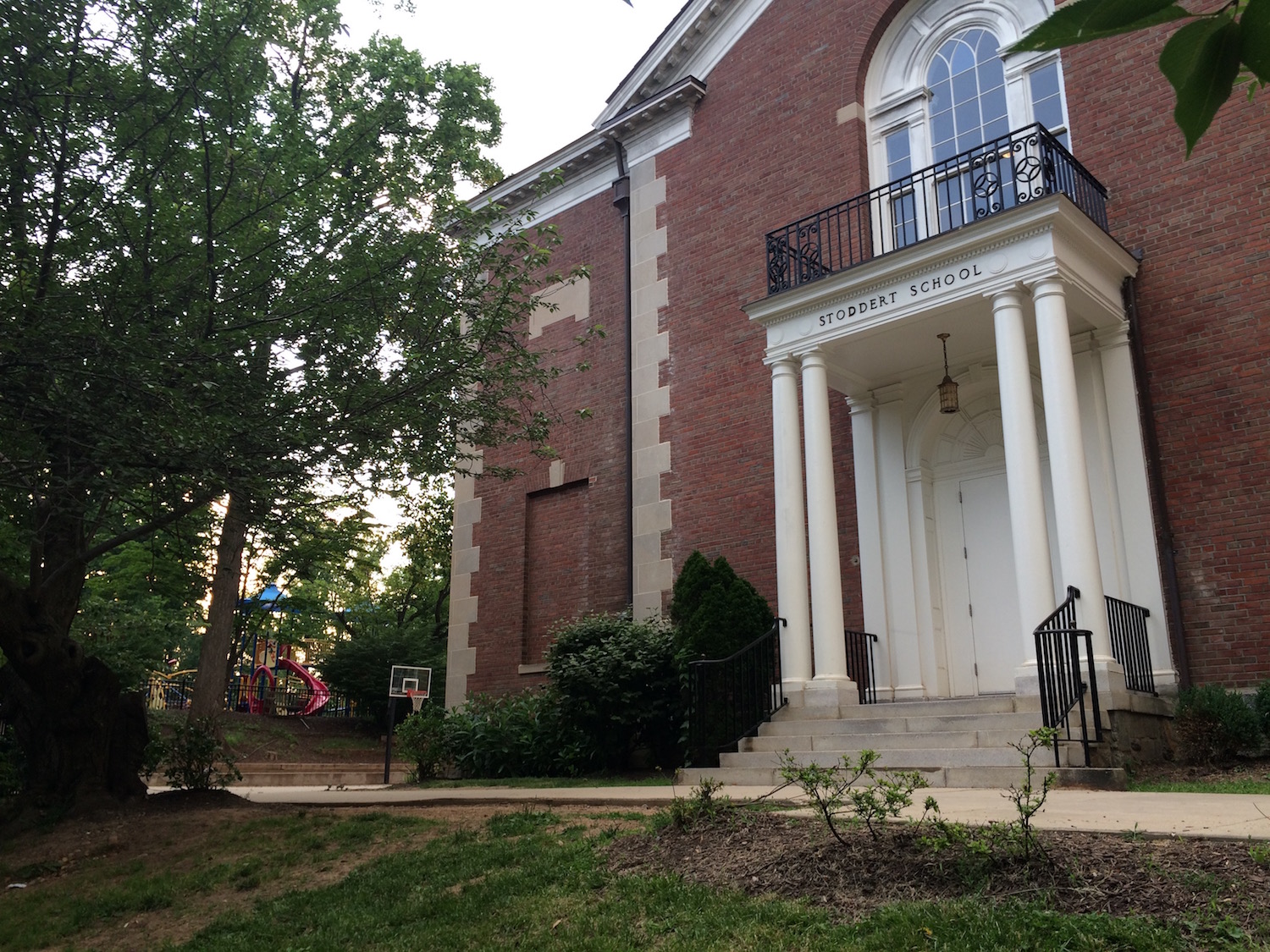
The reopening of our school doors will serve as a symbol of our city’s recovery. How we invest in our school system in the upcoming school year will serve as a symbol of our city’s priorities. It’s critical that we fully invest in our schools to meet the unprecedented academic, technological and mental health challenges our students are now facing because of the COVID-19 pandemic.
When Mayor Muriel Bowser made the decision to close our public schools and move to distance learning earlier this year, it was to protect the lives of our students, teachers, school staff and school leaders. It was the right choice. But it will leave a lasting impact on our students and communities. After natural disasters and economic recessions in the past, our nation’s local schools have suffered — and recovered slowly. The District of Columbia’s response to this crisis must be different to ensure better outcomes.
The novel coronavirus and the subsequent school closures have made clear that schools play an outsized role in our community — they are so much more than places to learn. Schools provide vital nutrition, physical safety, mental health and critical developmental supports to tens of thousands of students across the District every day.
Unfortunately, the disparities in access to technology and engagement in distance learning activities over the past several weeks will undoubtedly widen the existing deep opportunity gaps based on race and socioeconomic status that shamefully characterize educational outcomes in the District.
This unprecedented economic challenge puts DC’s education budget — which is already inadequately funded — at more risk. The numbers are staggering: District officials project that we will lose $1.5 billion in revenue through fiscal year 2021.
Making budget choices in a pandemic economy is challenging, but city leaders should look to the Great Recession as a cautionary tale of what can happen if we reverse investments in our schools. Nationally, less funding led to worse academic outcomes and massive layoffs of school staff — consequences that would only prolong our city’s recovery in this instance. To prevent this from happening, the mayor and DC Council should hold the education budget harmless by raising revenue and strategically leveraging federal support.
As we consider the upcoming budget, we must acknowledge and prepare for the fact that DC Public Schools (DCPS) may need to continue distance learning into the fall. Limited access to devices and Wi-Fi will continue to affect student achievement. We urge the mayor to follow through on DCPS’ commitment to digital equity by providing funds to replace damaged and lost computers. We also call for a continuation of the school system’s plan to provide a computer or tablet to every student in grades 3-12 by 2022, increase IT support for in-school and distance learning, and invest in robust teacher professional development and device access. Additionally, the city should build upon its investment in broadband infrastructure to pilot free internet access in public housing.

As families and educators face growing economic anxiety and stress, public services become strained, and students cope with isolation from their friends and other support systems, investments in mental health resources will be essential. City leaders should build on the success we’ve had in expanding school-based mental health supports for students, to ensure that school staff are trained to adequately support students’ social-emotional needs. Further, the city should be intentional about protecting and expanding resources and support in schools and neighborhoods that have been hit hardest by the virus, particularly given the disproportionate death rate in DC’s Black community.
The city will be forced to make many difficult decisions in the weeks and months ahead. How we approach these decisions will say a lot about our democracy. We encourage the District government to ensure a high level of transparency and community engagement in its decision-making processes around the fiscal year 2021 and school year 2020-21 budgets. At the school level, this means that budgets submitted to DCPS in February should be made public, and Local School Advisory Team committees should meet prior to any changes to a school’s budget. These commonsense measures will ensure our democracy and our commitment to DC values remain strong.
Whether it takes place in August, later in the fall or next year, teachers, parents and community members across our city are looking forward to the day when students can run through the doors of our city’s schools and once again give their teachers a hug to start their day. We should prepare for this day, while also preparing for alternatives. Either way, we must ensure that we fully fund the educational, technological and social-emotional needs of our city’s students.
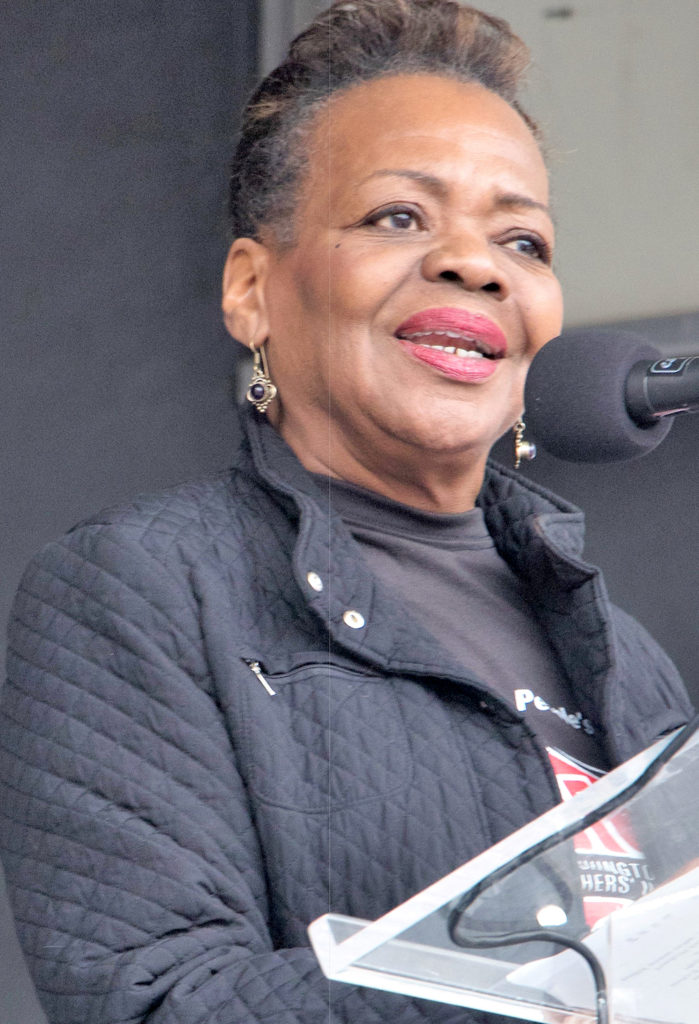
Elizabeth Davis is president of the Washington Teachers’ Union, and Alyssa Noth and Qubilah Huddleston are policy analysts at the DC Fiscal Policy Institute.
About commentaries
The DC Line welcomes commentaries representing various viewpoints on local issues of concern, but the opinions expressed do not represent those of The DC Line. Submissions of up to 850 words may be sent to editor Chris Kain at chriskain@thedcline.org.
Comments are closed.