


Ariel Levinson-Waldman: With COVID debt cases expected to rise, DC should fully fund civil legal services
Like the public health crisis it has caused, COVID-19 has already inflicted terrible financial harm on DC, especially our working-class families and communities of color. And when the immediate financial crisis passes, a new one will begin: a tidal wave of debt collection lawsuits. This problem would only be exacerbated by deeply unfortunate proposed cuts to civil legal aid in the mayor’s latest budget proposal, delivered on May 18. Legal services for vulnerable DC families are already underfunded, and, despite the budget pressures facing our community, cutting another half million dollars from these services would only hurt people already deeply in need.
A new report from The Pew Charitable Trusts makes clear the stakes of these proposed reductions: corporate debt collectors using overburdened courts to win assembly-line judgments against people with lower incomes — who lack counsel and are often not even present because they aren’t aware of the proceeding — and then seizing any wages or assets they have.
Consider the experience of one DC couple. Recent immigrants with a 3-year-old daughter, they were both laid off from their restaurant jobs in March along with thousands of other service industry workers. They had been working to pay down $7,000 in debt, but now are stuck. Though the DC government recently enacted a temporary pause on new debt cases, the family lives in fear of a crippling lawsuit once the ban expires.
The Pew study shows they are right to worry.
The study details how debt collection lawsuits disproportionately impact Hispanic and African American communities. In DC, 43% of residents from our communities of color have a debt in collections, compared to just 9% of white residents. This gap worsens the already massive gulf in household wealth between DC’s white families and the rest of our community: On a per-household basis, DC’s African American families have 7% the assets of whites in DC. For our DC Latino families, it’s 6%.
Courts nationwide and in DC are swamped with debt cases, which doubled in number from 1993 to 2013, and are now the largest category of civil litigation clogging the docket in many states. Large companies buy up debt for pennies on the dollar and then use the courts as a profit center by mass-filing lawsuits. Filings in the DC court that handles most debt collection cases have increased 172% in the three-year period from 2016 to 2018.
Worse, even before any cuts to legal aid, less than 10% of the people sued in these cases arrive at court with counsel (and there is no constitutional right to a lawyer when you are sued for money), even though research establishes that for families with limited means, having counsel in debt cases leads to dramatically better outcomes.
Going forward, hundreds of thousands of DC residents are likely to face debt problems. Maintaining the status quo will result in financial ruin for these families — and a self-inflicted wound to the regional economy and community well-being. There are three steps our DC community should take right away to respond.
First, we must boost — or at a minimum maintain — resources for civil legal help. It’s the surest way to help residents avoid further instability. The DC Access to Justice Commission has urged our local leaders to maintain civil legal services, knowing that access to civil legal help will be a critical part of the District’s recovery effort. The DC Council should heed this call and restore the funding for this critical set of services for DC residents. The District’s capable and well-resourced legal community can also do more. Law firms should, for example, consider the example of Fried Frank and its work in local debt collection cases that led to the firm’s being named the 2020 DC Bar Pro Bono Law Firm of the Year.
Second, we must protect defendants who aren’t present in court, and who may never have learned about the suit, from receiving a default judgment. The DC Council should move forward with long-stalled legislation to address this problem.
Finally, we need more accountability concerning debt collection practices in DC. Our mayor and attorney general have supported important reforms to regulate the presence and activities of debt collectors in DC. The council has never voted on the bill, which should be revived.
We have a path forward. Let’s come together and do all we can do keep our DC neighbors afloat.
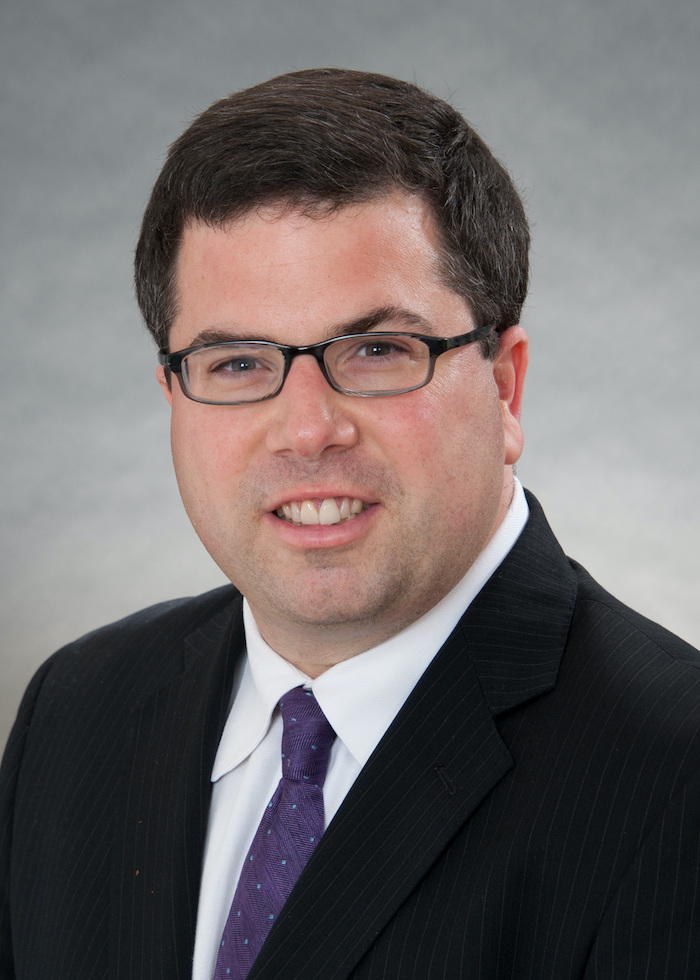
Ariel Levinson-Waldman sits on the DC Access to Justice Commission and is the founding director of the nonprofit organization Tzedek DC. Drawing from the ancient Jewish teachings of “Tzedek, tzedek tirdof,” or “Justice, justice you shall pursue,” Tzedek DC’s mission is to safeguard the legal rights and financial health of DC residents dealing with the consequences of abusive debt collection practices and other consumer-related issues. The organization is headquartered at the University of the District of Columbia David A. Clarke School of Law.
This post has been updated to correct the date of the mayor’s budget submission.
About commentaries
The DC Line welcomes commentaries representing various viewpoints on local issues of concern, but the opinions expressed do not represent those of The DC Line. Submissions of up to 850 words may be sent to editor Chris Kain at chriskain@thedcline.org.
Comments are closed.