

Ashley Domm: Catholic Church funds should be used to help those in need — not put them at further risk
I have been a Catholic all my life. As far back as I can remember, the church has played an active role in my development, from my own first communion to preparing for my now 6-year-old son’s entrance into the community. During all this time, I was taught that aiding those on the margins of society was the central mission of our religion. Over the last 2,000 years, the Catholic Church has sought to take the teachings of Jesus and apply them to our contemporary society in order to help the poor. It was the marination in these principles that led me to work in direct service at an organization that endeavors to alleviate the burdens of living on low incomes in one of the most expensive cities in the country.
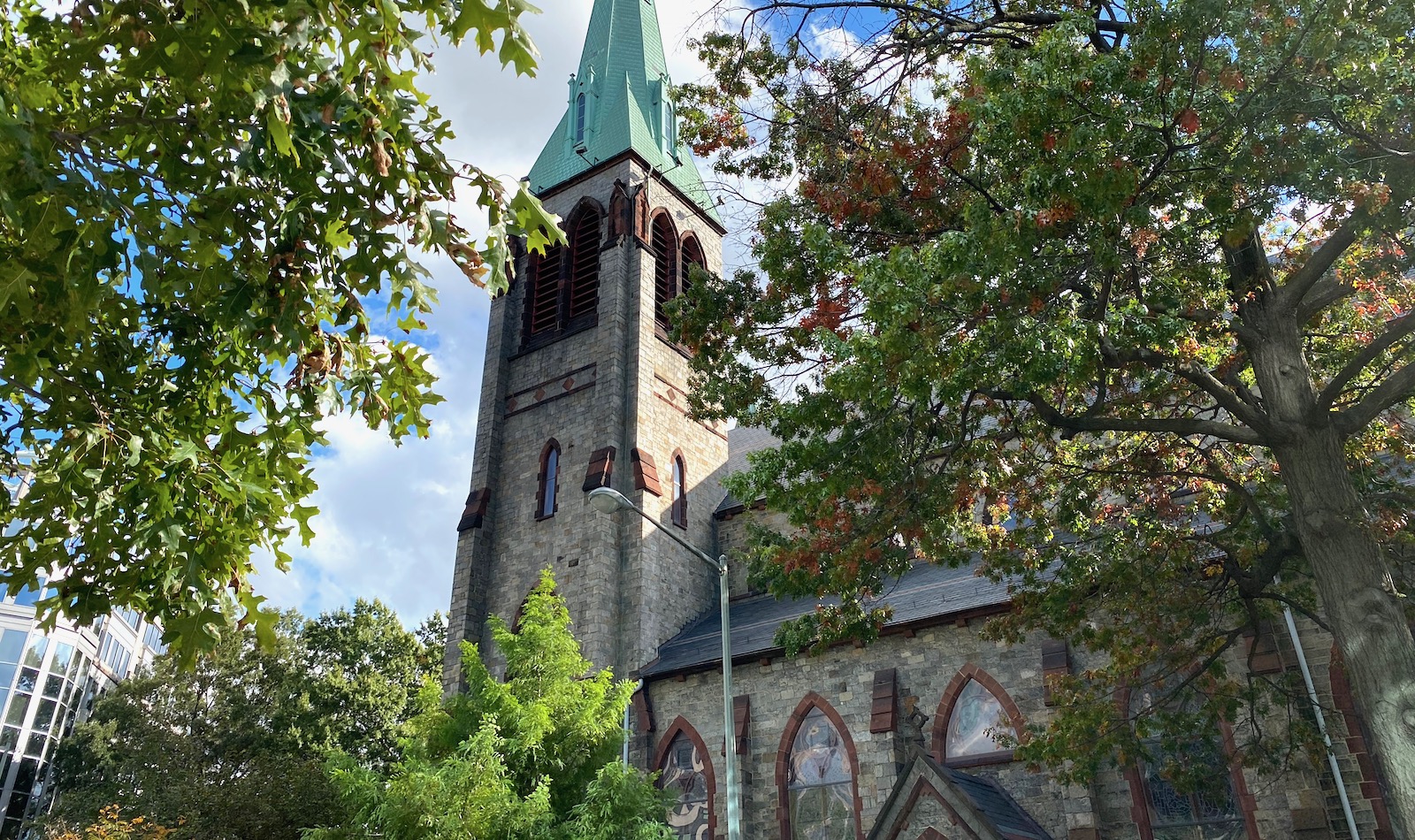
As an active congregant, I’ve worked through multiple failures of leadership and the test of faith that comes with each. Our church has stumbled before, and its leaders have dropped the ball by not putting their focus on our central mission, on our social teachings, or on the most vulnerable among us. It happened, and frankly continues to happen, with the sex abuse scandal. It is happening now with the local church’s responses to the COVID-19 pandemic.
As a church, we should be following our central principle originally shared by Jesus himself — to help those less fortunate. This should be our sole guide. Our North Star. I struggle to find where this teaching lies in what seems to have become a central focus of the Catholic Church in America during 2020: the number of congregants they can get into their physical buildings for worship, particularly for worship during Christmas Masses.
One day last week, I woke up to the news that DC Mayor Muriel Bowser had — under threat of a lawsuit and pressure from the Archdiocese of Washington — loosened public health restrictions on churches to allow for large numbers of Christians to celebrate Christmas services in person. I’m confounded by this decision, but I’m not surprised. Faced with the organizing might of the Catholic Church — an institution backed by wealthy congregants and donors and wielding considerable financial power in its own right — leaders across the U.S. are met with the difficult decision of when to fight and when to give in. (This week, the District and Catholic Church settled the case, with the Archdiocese agreeing to abide by the city’s revised rules.)
The lawsuit, brought by the Becket Fund for Religious Liberty, argued that while other institutions such as restaurants were allowed 25% capacity during this time, houses of worship were not. Montse Alvarado, the vice president and executive director of the Becket Fund, has argued that this argument is about “science and common sense” as well as “discrimination.” My question is this: What does any of this have to do with our central mission as Catholics, especially during a once-in-a-generation pandemic that has wrought such economic fallout, mainly impacting those already struggling to make ends meet? Shouldn’t we as Catholics be using our influence to pressure our political leaders to take a stronger stance, not a weaker one, against the spread of the virus, knowing that further spread and the inability to achieve containment will only harm those we are sent out to serve and protect — those struggling and living in poverty?
In short, who cares about attending Mass physically in person when there is so much suffering in the world and in our city right now?
In September, Pope Francis said that we should be using the challenges of the pandemic as a “time to improve our social love.” If we looked to the church’s leader for guidance during this time, we would learn that he is arguing that “the Christian response to the pandemic and to the consequent socio-economic crisis is based on love” and the application of concepts related to the common good. Where do this lawsuit and pressure on DC’s leaders to loosen restrictions fit within the pope’s own teachings concerning our collective response to COVID?
This also leads me to wonder, both as a congregant and someone working to keep the poorest among us safe during this pandemic: How much funding is the church putting toward these types of lobbying efforts and lawsuits, not just in DC but across the country? I imagine that I’m not the only Catholic who might support a better use of these funds, especially given our central mission to help the poor. If we are not standing up for this mission now, in the face of such great social and economic upheaval, then when will we do so? When will we be called for this mission if not now?
My colleagues and I work every day to alleviate the increased suffering we are seeing around every corner in DC — among those already living on low incomes before this disaster, among excluded workers and undocumented residents, among parents dealing with virtual schooling and teachers trying their best, and especially among the unhoused who simply cannot shelter in place without a home. From the vantage point of my position and as a Catholic, I urge the church to support a tougher approach to stem the spread of this virus in order to fully realize our mission to treat all persons as both sacred and social beings, created in God’s image, and destined to share in the goods of the Earth as part of a community of justice and mercy. I for one will be filled with joy staying home during Christmas Mass, knowing I do so to protect those who are most at risk and who my faith has taught me to put before myself and others with means.
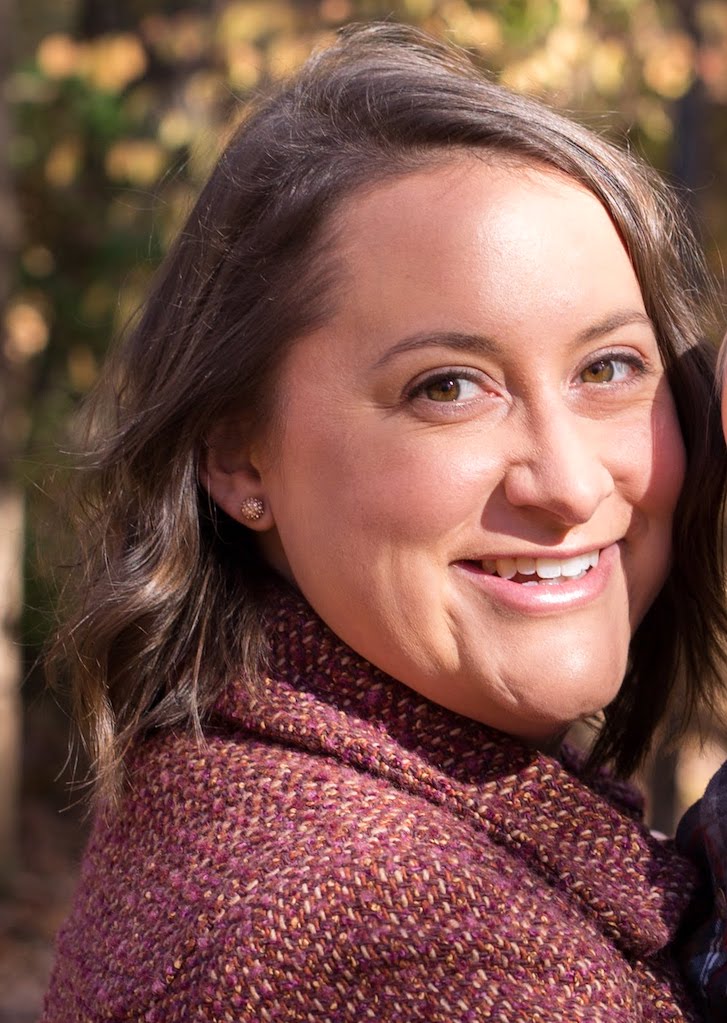
Ashley Domm is the head of advancement and chief development officer at Bread for the City, a direct service agency in DC that provides food, clothing, legal advice and representation, social services and programs, and medical care for those living on low incomes, alleviating the burdens of poverty in the nation’s capital.
About commentaries
The DC Line welcomes commentaries representing various viewpoints on local issues of concern, but the opinions expressed do not represent those of The DC Line. Submissions of up to 850 words may be sent to editor Chris Kain at chriskain@thedcline.org.
I agree with your thoughts , Ashley.