

Erica Williams and Kimberly Perry: By balancing the tax code, we can fund a just recovery
The DC Council has an unprecedented opportunity to address long-standing inequities in the District for residents of color and families with children that were inadequately addressed in Mayor Muriel Bowser’s proposed budget for fiscal year 2022.
The wealth divide in our city was steep prior to the pandemic, when white families in the District had a median income of $153,300 — more than three times the Black median income and the highest of any racial group. In late 2020 at the height of the pandemic, nearly half of Black families with children reported only slight confidence in their ability to make next month’s rent, and parents as well as employers cite securing safe and affordable child care as an obstacle to a return to work. While exacerbated by the pandemic, the dual challenges of housing and child care — which disproportionately affect Black and brown residents — have been inadequately addressed for decades.
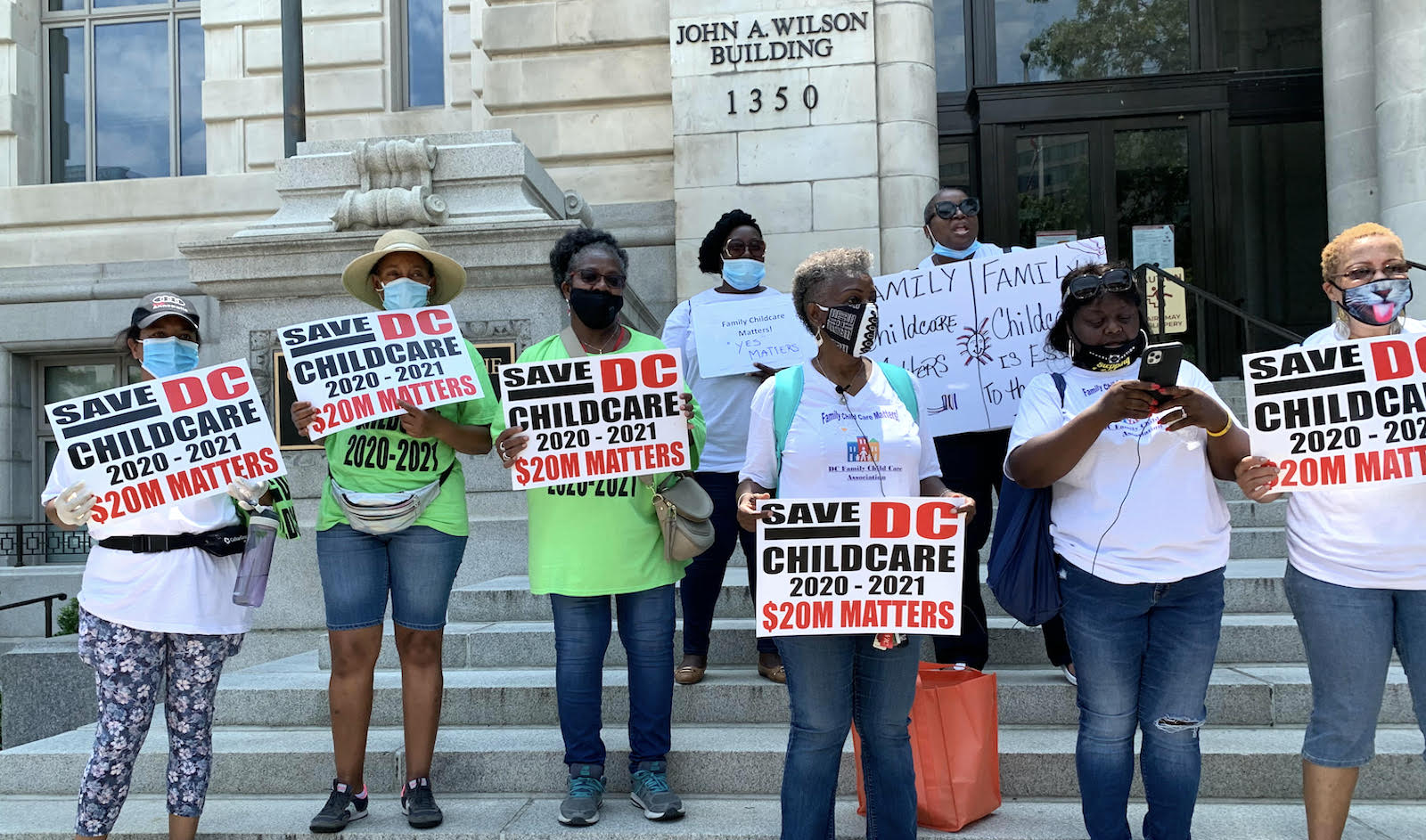
Let’s take child care as an example.
The high cost of care is the direct result of a broken financing model for child care and early education, as are the low wages early educators are paid. Early childhood educators in DC don’t earn enough to live comfortably in the District, and families who rely on care are faced with costs that are increasingly out of reach. In child care settings, these professionals earn just a few dollars more than our minimum wage, and that’s hardly a livable wage in the District, where one market analysis estimates the median rent for a two-bedroom apartment is now $2,950 per month, or $35,400 a year. The cost of rent alone could eat up almost their entire salary. Low wages in a place as expensive as the District means that we are asking the professionals who care for and help to educate our youngest residents to try to make ends meet on an income that doesn’t even come close to covering the basics.
Equity requires both raising enough revenue to meet the needs of all our residents and doing so in a way that’s based on people’s ability to pay. Right now in the District, a nurse making just over $60,000 a year pays the same top income tax rate as a corporate lobbyist making up to $350,000 a year. That’s just not right, and it’s time to level the playing field. Balancing the tax code could raise millions to invest in crucial areas like affordable housing and high-quality affordable child care and make our tax code more equitable.
Last month, the DC Fiscal Policy Institute and DC Action commissioned a poll that found that 80% of District voters support asking residents making above $250,000 a year to pay more in taxes to fund greater investments in child care and housing. We polled residents on these issues because they represent the highest cost burdens many families face, and they often make or break a family’s budget. When the DC Council votes Tuesday on the budget, members can offer our families more financial stability and better opportunities by funding these investments through a more equitable tax code.
The results from our poll are nearly identical to a similar one we conducted last year and speak to the durable and overwhelming support from residents across all eight wards. The poll shows that 4 out of 5 voters want us to raise new, local revenue to meet the needs of families and address racial inequities. Support is highest among residents of color, particularly Black voters. This shouldn’t be surprising to anyone. Income and wealth inequality has been growing locally and nationally for decades, especially between Black and white Americans, and while we won’t close the gap overnight, almost everyone agrees we need to do more. As Heather McGhee explains in her new book, The Sum of Us, Black and brown people are hurt the most by our failure to raise the resources we need to fund public goods, but it costs everyone.
By asking just 3% of DC residents — those making $250,000 or more — to pay their fair share of taxes, we could raise as much as $170 million a year in new, local revenue. An increase of one percentage point in the top tax rate for someone earning $260,000 would translate to just $100 a year — or less than the price of two lattes a month — and just $500 a year for someone earning $300,000. That money could help provide greater housing support to families hit hardest by the pandemic and begin to bring down the cost of child care while raising wages for early childhood educators.
The argument that high-income residents will pick up and move out of the District en masse is a myth. The substantial research done on the topic doesn’t substantiate that claim. But there is evidence of Black families deciding to leave or being forced out of the District due to insurmountable economic hurdles. The DC Council can and must address this all too common reality beginning with the FY 2022 budget. The cost of not taking action this budget season is simply unaffordable.
Erica Williams is the executive director of the DC Fiscal Policy Institute, and Kimberly Perry is the executive director of DC Action.
About commentaries
The DC Line welcomes commentaries representing various viewpoints on local issues of concern, but the opinions expressed do not represent those of The DC Line. Submissions of up to 850 words may be sent to editor Chris Kain at chriskain@thedcline.org.
Comments are closed.