

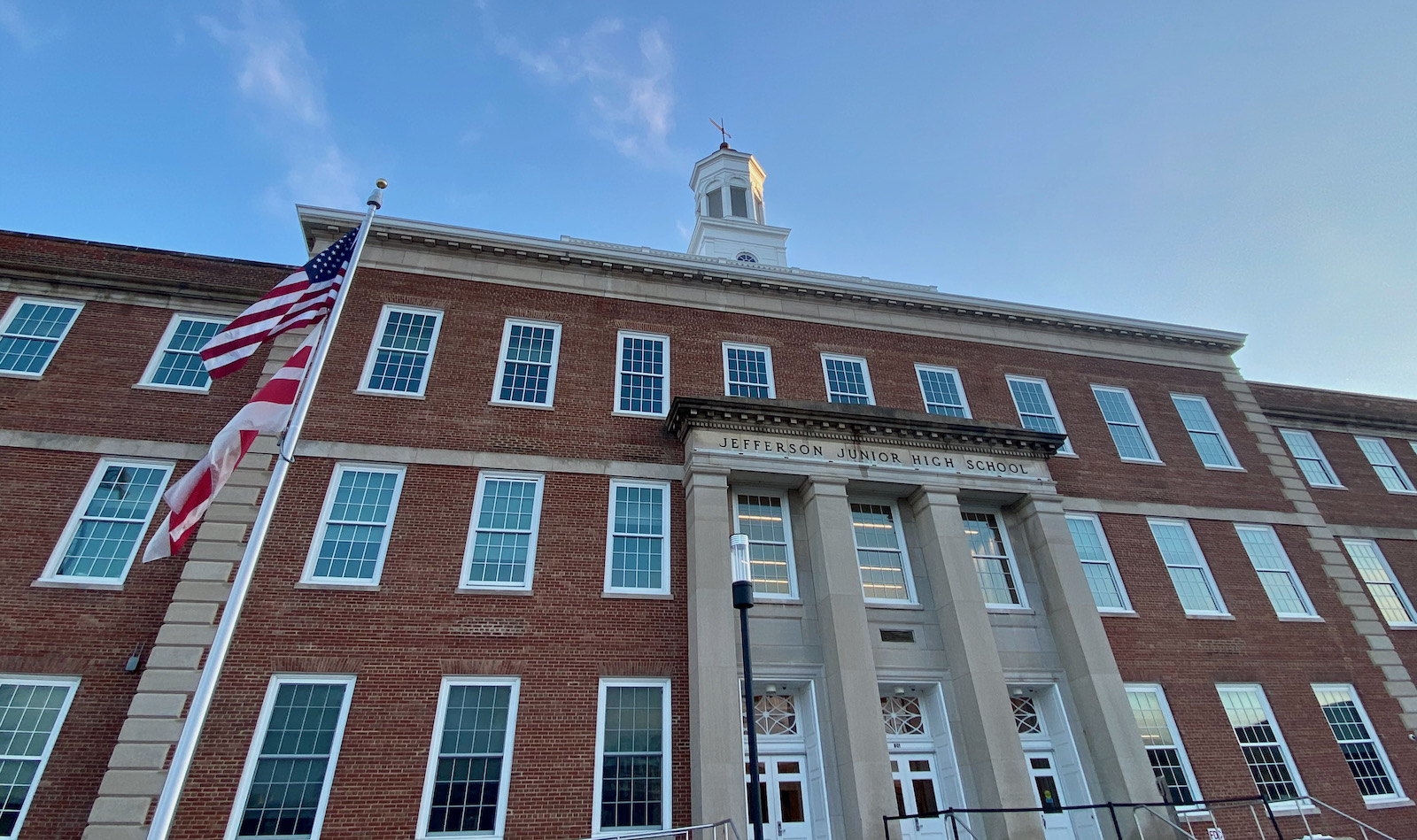
Eboni-Rose Thompson: Follow — and use — the science in deciding if and when to shift schools to virtual learning
We don’t need to just follow the science. We need to actually use it to make reasoned and transparent policy decisions.
The Bowser administration’s Dec. 29 coronavirus situational update included the announcement of expanded testing and updated safety protocols for DC Public Schools. In the update, Chancellor Lewis Ferebee stated:
“We expect that schools and classrooms will need to transition to situational virtual learning throughout the semester, especially in the coming weeks.
“Our goal is to be flexible, responsive, and guided by our students’ needs.”
Our goal should be to be flexible, responsive, and guided by a clear set of public parameters established by our DC health and public school officials. We must have a public, transparent and data-driven set of criteria for moving all schools from virtual to in-person learning and back again.
When the pandemic started in March 2020, the world was filled with fear and uncertainty. We did not yet understand how the virus spread. We did not know the effects it could have on our bodies. We did not know how it would change the way we live our lives each day.
We shut down quickly. Schools closed. We sent students and educators home for spring break. Within days, classrooms moved into living rooms and dining rooms.
We have come a long way since then.
Today we know so much more than we did then. We have been through so much more than we could have anticipated back in March 2020. Now going on two years later, COVID-19 infection rates are higher than they were when we shut down the first time.
The recent spike in cases caused an ever-growing list of DC Public Schools to go virtual leading up to the winter break. Regionally, neighboring Prince George’s County made the decision to shift all schools to virtual through Jan. 14, which means many workers — including some DC teachers — have a new child care challenge.
As the Ward 7 representative on the DC State Board of Education, I’ve had parents and educators reach out — having noticed that classrooms were low on attendance or understaffed — to ask when we would shift to virtual learning, either school-by-school or systemwide. The answer is that we don’t know what thresholds are being used to make such decisions. Chancellor Ferebee and Mayor Muriel Bowser insist that the decision must be made on a case-by-case basis, but haven’t explained much beyond that.
Schools are doing their best but remain stretched thin. Giving them a metric would allow them to prepare and shift. I have also heard from parents that they want schools to remain open as long as it is safe. But when is that point? The challenges families have shared about children facing depression and struggling with isolation are heartbreaking, but so is the loss of a loved one to COVID-19.
Here in the District, we recently hit our highest spike in case numbers, soaring past the point of substantial community spread. We need a clear set of metrics for decision-making based on health and safety. We already have the data. We must use it. Now is the time to be data-driven in our approach.
Yes, we all want to go back to a time when we weren’t struggling every day to make it through a pandemic. In order to return to that sense of normalcy, we need to be clear about the steps we must take to get as many in our community safely through this pandemic as possible.
That means not just stating we are following the science, but actually using the science. We must be clear when settings are safe and when they are not. We know communal settings facilitate community spread.
What we need to know from DC Health officials is: At what point is community spread too high? At what point are hospitalizations too high? At what point are school operations impossible and logistical challenges too great? If we’re approaching those markers, we must make the transition to virtual because the metrics are telling us it is not safe to continue coming together in person.
At that point, it’s no longer just a preference or a feeling, but a necessary decision based on a set of facts. Establishing those metrics is key to moving us from the art of politics to the science of public health. It allows us to plan and transition. It also gives us a way back. It gives us a clear point to reopen and takes our decision-making from a sense of public opinion to a matter of public health.
I believe we are stronger and wiser than the last time we made this pivot. In the spring of 2020, it was an abrupt and unprecedented shift. After a full school year of virtual learning, it is no longer unprecedented. Families and educators have made the pivot to virtual learning before. I have confidence that in order to ensure the health and safety of themselves and others, they can successfully turn living and dining rooms into classrooms yet again. This time, given their experience, they can do it better, faster, and easier than before.
I have confidence that families and educators can pivot. I ask that health officials and the administration be upfront about when we may need to do so.
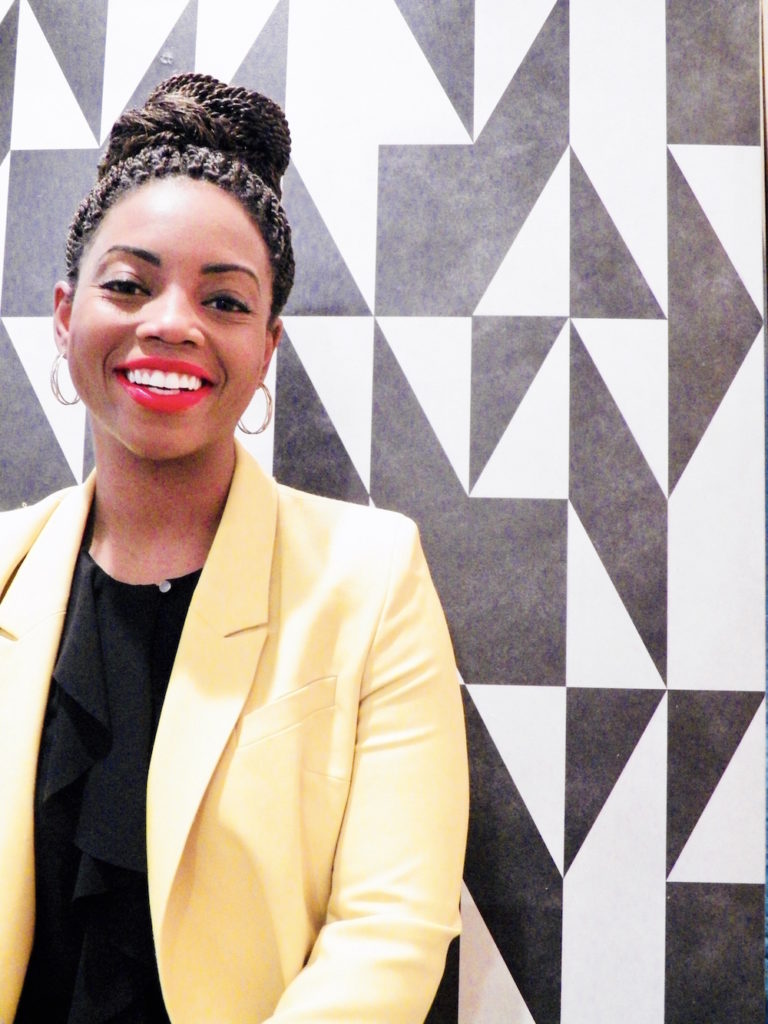
Eboni-Rose Thompson is the Ward 7 representative on the DC State Board of Education.
About commentaries
The DC Line welcomes commentaries representing various viewpoints on local issues of concern, but the opinions expressed do not represent those of The DC Line. Submissions of up to 850 words may be sent to editor Chris Kain at chriskain@thedcline.org.
Comments are closed.