

Matthew Baharmast: Identity is DC’s most neglected infrastructure
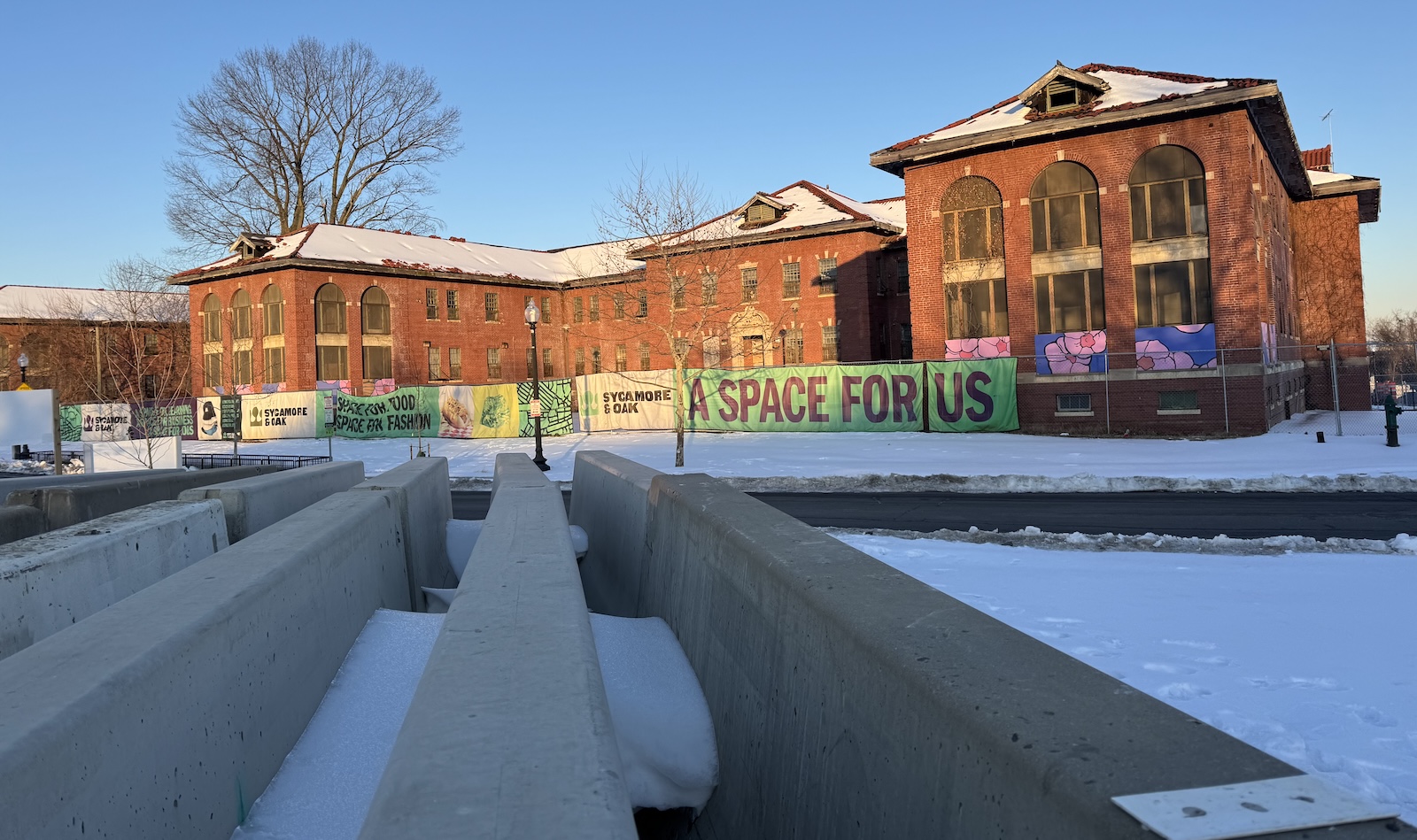
In Congress Heights, a stretch of Alabama Avenue SE has been fenced off for construction of a new 179-unit apartment building planned entirely as affordable housing. On paper, it’s exactly the kind of investment Ward 8 has been promised for decades. New homes. New retail. New jobs. A long-overdue sign that the city is finally starting to pay attention to its communities east of the river. But in focusing so much attention on unit count, land value, and tax revenue, we seem to have forgotten about identity as a metric of urban prosperity.
Development taking shape in Congress Heights hints toward yet another instance of gentrification in the DC area. Investment in sleek apartments with ground-level retail for cafes and restaurants directly outside of a Metro station with quick access to Capitol Hill is just the recipe to attract young professionals. I don’t say this as another simple critique of such investment. Ward 8 deserves investment in schools, clinics, grocery options, and housing. However, in the midst of an affordable housing crisis, construction without care will only worsen problems for everyone. DC isn’t suffering from underdevelopment. It’s suffering from development without a theory of what should be preserved.
This is the quiet paradox playing out in Congress Heights. Thanks to the developers’ collaboration with the National Housing Trust, every unit of the new Metro-adjacent project is legally considered affordable. But when “affordable” is pegged to a range from 30% to as much as 80% of DC’s area median income, these new units may well be out of reach for many longtime Ward 8 families. The reality of that financial gap can become a first gentrifying step. What may start as an investment by a single corporate real estate firm in one development project can suddenly follow a very recognizable path of displacing locals and sterilizing communities. The family-run restaurant becomes a Tatte. The jazz bar becomes a co-working space. The neighborhood still exists on a map, but not in spirit.
What has happened in NoMa, Navy Yard, Shaw, and possibly now Congress Heights does not occur in isolation. To understand what’s at stake, think about America’s iconic cities: New York, Boston, Chicago. Each has a personality you can feel. Now ask yourself to describe DC’s present-day culture. If you’re struggling to do so, that’s the point. The city’s rich history of Black entrepreneurship, local diners, and neighborhood institutions has been pushed to the margins. Moreover, decades of developer-driven, chain-based growth has made the city more expensive and more generic.
As identity thins, a city becomes a shell of corporate and chain storefronts. The cost of living rises for everyone as individuals pushed out are left to compete for housing elsewhere. The city shifts from a place where people build lives into a place they simply pass through. DC, already the country’s most transient city, can’t afford to lose the cultural anchors that define it.
If Congress Heights is going to avoid replacement urbanism, two changes to future developments are essential.
First, affordability must be tied to local incomes, not the citywide median. Ward 8 should not be benchmarked against the earning power in Northwest. Rent levels and eligibility need to reflect the earnings of otherwise displaced locals. Keeping families anchored is the first safeguard against cultural erosion.
Second, development authority must shift toward residents themselves. Entities such as community land trusts, cooperatives, and resident-led oversight boards ensure that decisions about retail mix, cultural preservation and long-term affordability reflect consumer priorities rather than ease for distant investors. Assistance from a national NGO is not enough. When people who live in a neighborhood help shape its transformation, development strengthens identity instead of replacing it.
Underlying both solutions is a simple reframe: Treat identity as infrastructure, something that requires maintenance, investment and planning — just like bridges, schools or transit systems.
DC is entering a decade when thousands of new units will reshape the city. The question isn’t whether we should build; it’s what we believe building should accomplish. If development continues to flatten neighborhoods into the same retail corridors and corporate aesthetics, we’ll get more buildings but less city. But if we redefine development around identity, local power and community-anchored affordability, we can grow without erasing ourselves.
That’s the choice Congress Heights puts in front of DC, and it’s a choice the city can no longer afford to get wrong. If development produces housing but erases the city underneath it, what exactly are we building toward?
Matthew Baharmast researches economics at Yale University, with a focus on how patterns of growth and urbanization shape opportunity and how policy can promote more equitable development. A lifelong resident of the Washington area, he is based in Alexandria, Virginia, and spends his free time exploring DC’s food scene and its many hidden gems.
About commentaries
The DC Line welcomes commentaries representing various viewpoints on local issues of concern, but the opinions expressed do not represent those of The DC Line. Submissions of up to 850 words may be sent to editor Chris Kain at chriskain@thedcline.org.
Comments are closed.