


jonetta rose barras: Surplus jackpot in DC
A few days after the DC Office of the Chief Financial Officer (OCFO) released the city’s annual comprehensive financial audit, the agency’s spokesperson sent out a one-page announcement celebrating the fact that the District had received a B rating in fiscal management and was heralded as one of the top five of 75 cities whose financial status was surveyed and assessed. That grade — enough to place the city among “Sunshine Cities” — came from Truth in Accounting (TIA), an organization that “promotes fiscal conservatism.”
The city won the accolade because it had managed to “pay its bills” in 2020. This was by design, since the District has multiple reserve accounts that were accessed during the height of the COVID-19 pandemic.
It’s unclear why the CFO’s spokesperson thought that information relevant enough to circulate it, especially since it was based on the 2020 audit — not the 2021 audit that was released earlier this month. In fact, Jeff DeWitt, who was CFO back then, no longer works in DC; he resigned on March 9, 2021.
Fitzroy Lee subsequently became acting CFO. The DC Council’s Committee on Business and Economic Development, chaired by Ward 5’s Kenyan McDuffie, recently recommended the council approve his appointment to complete DeWitt’s unexpired term, which will end June 30 this year. Perhaps the CFO’s spokesperson was flashing the TIA rating hoping to snag something more permanent for his boss.
The OCFO may need a public relations campaign because it is under a cloud of criticism. Last year, in a summary report dated Nov. 23, DC Auditor Kathy Patterson raised serious questions about the CFO’s shop, concluding that all roads to fiscal mismanagement in the District ultimately lead to the city’s finance chief. It hasn’t helped that Lee recently reported such a large windfall — nearly $900 million of additional revenues and surplus — at the end of fiscal year 2021. More than a few people have wondered why he and his team hadn’t developed more accurate estimates or at least called for a midyear budget adjustment, especially considering the service delivery needs of some District residents.
The CFO, who has independent authority over the city’s finances, has appeared glued to the sidelines. At-large Council member Elissa Silverman and several of her colleagues moved to grab what they call “unappropriated” money with as much vigor as if it were a Powerball jackpot. They have advocated for the mayor to submit a supplemental FY 2022 budget as soon as possible.
When I asked another CFO spokesperson, Natalie Wilson, whether Lee was concerned about the proposed use of surplus funds and the council’s push for a supplemental budget, I was told, “We have no comment.”
No comment about what, exactly? About whether using the surplus is a smart move, especially given the fact that the city’s economy is still in the hole and the federal government may not have any more coronavirus rescue money lying around for the District to snatch? Or about how far the 60 days of operating cash in its reserve funds will actually go, if inflation continues to rise and the cost of doing business becomes more expensive?
Neither Wilson nor Lee responded to my second email seeking clarification.
Earlier this week, the council unanimously approved an emergency resolution that asks Mayor Muriel Bowser to present a supplemental budget aligned with their priorities: emergency rent assistance and utility assistance; promotion of COVID-19 safety in schools and mental health of staff and students; expanded opportunities for young people through out-of-school time programs, recreation centers and employment; and expanded personal pandemic leave for District employees.
The resolution might come across as nothing more than political theatrics. After all, it lacks the power of enforcement. Council members don’t really anticipate the actual submission of a supplement before March 16, when the mayor was already expected to present such a document along with her FY 2023 budget and financial plan. Under the Home Rule Act, it’s the mayor — not legislators — who can initiate extra spending through a supplemental budget.
Still, I think Silverman deserves some credit for herding cats. It’s not a bad thing that the 13-member legislature is trying to get on the same page, advancing a shared vision. Over the past three budget cycles, their discussions — public and private — have often been contentious and ugly. Further, the tone of the resolution suggests that council members are interested in collaborating with the mayor, although two of them, Ward 8 Council member Trayon White and at-large Council member Robert White, are angling for her job.
Bowser may have already stolen the legislature’s thunder, however. In recent weeks, she has announced spending increases for schools, housing and violence prevention.
She has also identified funds and launched new programs in line with several of the stated priorities.
When some states didn’t spend their federal anti-eviction pandemic rescue money, Bowser made a move and walked away with an additional $17 million to help DC residents. The administration is still hoping for more. Further, she recently announced direct cash subsidies to low-income residents — a program that is being managed by Martha’s Table. And she offered additional grants to small businesses.
That all sounds good in the age of COVID-19. There is the belief that more money is the cure-all. Except for one thing — the District is already spending tons of money in the areas identified in the resolution.
The CFO in his role as fiscal leader could have pointed out that fact. He could also challenge the cost effectiveness and efficiency of current programs, if not their efficacy.
When I made these points to a couple of council staffers, one called me a “fiscal hawk.”
“A hawk is going to hawk,” the staffer added. That’s true. So please follow me as I hawk.
In FY 2021, the city spent $6 billion on human support services, public safety and education, according to the annual audit. The largest spending category was education; at $2.7 billion, that accounted for 27.8% of local expenditures.
This fiscal year (FY 2022), Bowser and the council increased per pupil spending by 4%. For FY 2023, she has announced she will raise it again by 5.9%. That’s an increase of about 10% in two years. That means the city could spend over $3 billion on public K-12 education in the next fiscal year.
The problem in DC’s public education system isn’t money. It’s the absence of an effective, cogent, comprehensive plan designed to provide a major assist to low-performing students while closing the race and class achievement gaps.
In a similar vein, the problem of affordable housing falls squarely in the District’s innovation deficit. Talk about building and preserving low-cost housing has been heard ad nauseum for years. Nevertheless, the city continues to use an antiquated model that does not satisfy residents’ demands or needs. Providing subsidies may temporarily slow evictions; it won’t halt them.
And if council members think extending the hours at recreation centers or expanding the number of violence interrupters will stop the carnage on the streets of the nation’s capital, they had better think again. As at-large Council member Christina Henderson recently noted, the city is already spending millions of dollars on such programs. Actually, it’s tens of millions — with unimpressive results.
Like other DC residents, I like living in a city where most people care about their neighbors and want all boats lifted. Realizing that goal has less to do with increasing spending and growing the city’s already enormous $18 billion budget, and more to do with properly managing it.
If council members want to leverage their power, they ought to start doing the hard work of expansive and deep oversight, ridding the government of waste, fraud and abuse while ensuring there are competently managed, comprehensive, effective and cost-efficient programs and services that actually make a measurable difference in the lives of people who need them most.
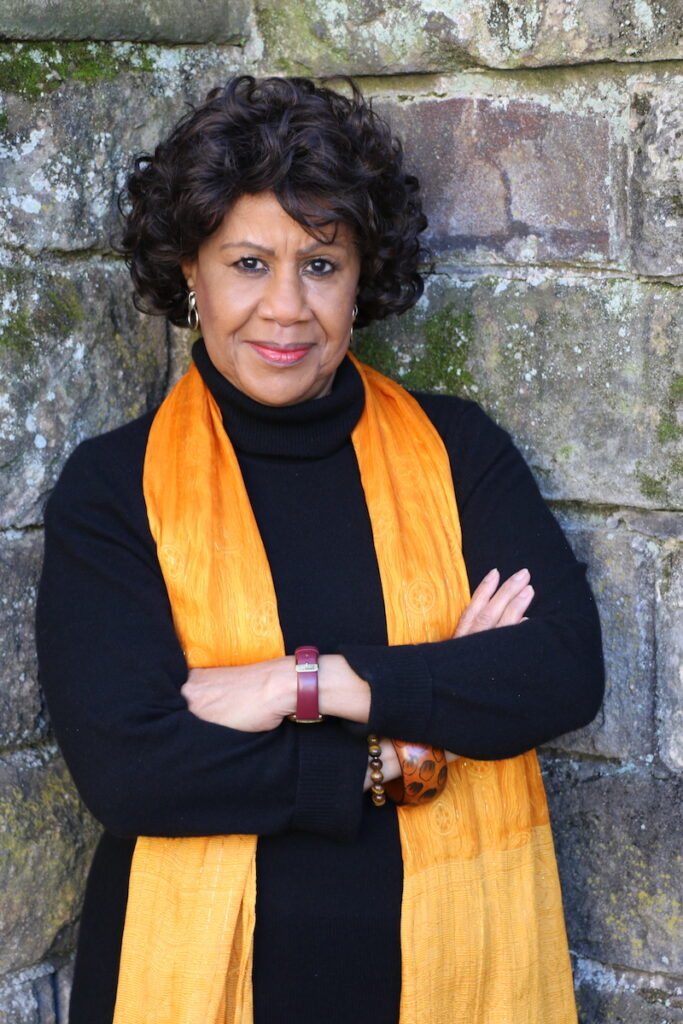
jonetta rose barras is an author and freelance journalist, covering national and local issues including politics, childhood trauma, public education, economic development and urban public policies. She can be reached at thebarrasreport@gmail.com.
Hear, Hear! The Council is so quick to pass laws but but extremely weak in the follow of their proper execution. I hope they will be inspired by your last paragraph and finally stop fiddling around.