

Sherry T. McDaniel-Thomas: DC families need access to quality OST programs that are inclusive for all children
We are fortunate to live in a city where we invest in our children across their lives. From universal public prekindergarten to robust social supports, young people in the District benefit from meaningful public funding.
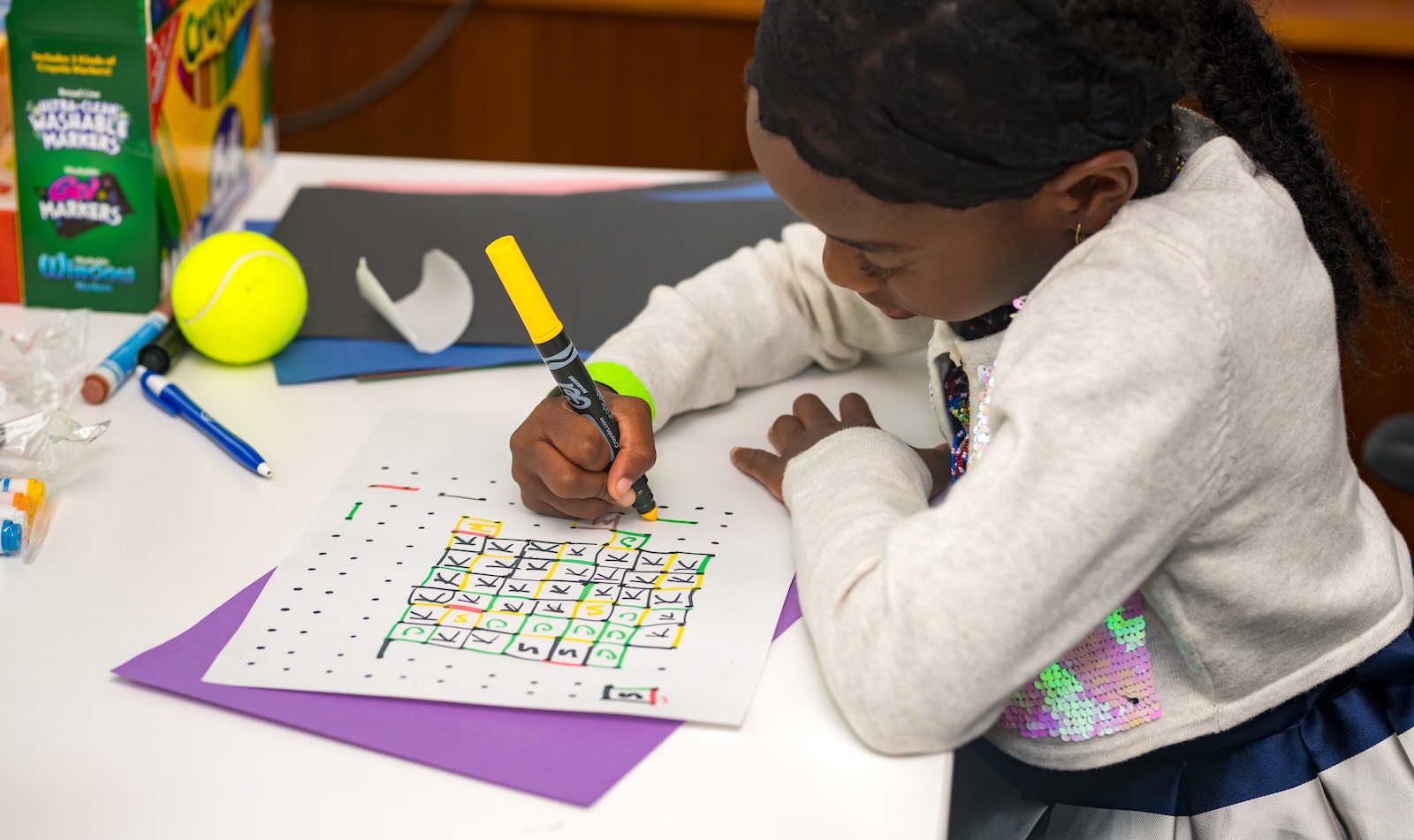
Mayor Muriel Bowser has continued that good work in her proposed fiscal year 2023 budget, specifically with an investment of some $15 million for “Out-of-School Time” (OST) grants in multiple city agencies. These much-needed funds will allow more young people to engage in high-quality and diverse before-school, after-school and summer programming.
But we can and should do more to ensure that all students — especially students with learning differences or special needs — are able to access OST programs. As the grandmother of an autistic teenage boy, I know that we have work to do on that front.
My grandson successfully conquers the tasks of each school day, and I know he would do the same in a quality OST program — perhaps one that could help him realize his plans for becoming an entrepreneur providing jobs and homes for people experiencing homelessness — if we made sure these programs were truly accessible.
Three years ago, we tried to sign him up for activities at a DC Department of Parks and Recreation site in Ward 4, but learned there were no trained staff onsite to help him have the best experience in the program. Last year, in middle school, he participated in a virtual after-school club. It was a real challenge for him to stay engaged and for us to keep the energy going after a full day of distance learning. This year, our caution about his return to in-person learning and our incomplete awareness of available after-school programming meant we weren’t able to register him for OST programs. Instead, we’ve continued our tried-and-true practice of spending time taking him to museums and theaters around the city.
While he enjoys these activities with his grandma, he needs to be with his peers to continue developing his communication and social skills, both of which are so necessary for success in his adult life. Kids with special needs have the same desires and need for social interaction as their peers. The delivery of a given activity may look different and accommodations may be needed, but the end result can be just as rewarding for them and their families. Their parents and caregivers cherish the same sparks of joy that any other parent or guardian experiences when their children share some positive moment they have had with a peer. Access to quality OST programs that are inclusive for all children can help those moments multiply.
Research from the national Afterschool Alliance shows that students with special needs show marked improvement in the development of important life skills, intrapersonal relationships and enhanced confidence when working as part of a team while participating in OST programs. Our special needs children can have the opportunity to display their proven academic gifts, allowing them to express their future hopes and dreams through meaningful activities. Parents can benefit as well. They may be able to clock more hours at work, adding to their family’s financial security. OST programs can also improve parenting skills through complimentary classes and serve as a connection with community resources and services.
The District has bold goals in closing achievement gaps, especially for special education students. With a coordinated effort in planning, OST programs can help our special needs children meet these goals. With the mayor’s investment and implementation of a few key measures, the District can make joyful OST opportunities possible for all students.
First, the District should engage with schools, students, parents and community partners to conduct a needs assessment of OST programs. This will aid in the development of new offerings that meet the needs and interest of the students, especially in the aftermath of the pandemic. It can also enable us to identify populations of students who — like my grandson — have little or no access to OST programming, and help us create ways to address those challenges.
Second, we need to ramp up communication to families about available OST opportunities. We need an “all of the above” strategy to get the word out: social media; local news outlets; and — because not everyone is computer savvy — fliers in backpacks and postings on school marquees. Too many parents still don’t know the when, where and what of OST programs; or they find out too late to sign their children up for activities. A concerted public information campaign by the Office of the Deputy Mayor for Education could change that.
Third, appropriate oversight of the OST programs will be crucial. DC Council Chair Phil Mendelson and other legislators have championed the expansion of OST programming, and we will need them to keep a watchful eye on how that expansion takes place. Accountability will be crucial as the funding flows. Focusing on students who face greater challenges in the classroom, at home and in accessing enrichment opportunities should be the priority. We must ensure that these new dollars are equitably spent so that kids can access programs regardless of their ward or family income. The best measure of an effective system isn’t how it operates when all goes right, but rather its ability to overcome challenges to access and equity.
Thanks to Mayor Bowser’s proposed budget, we can expand joyful, equitable and enriching OST programming. With these additional steps, we can ensure that all students throughout the city will benefit from that investment.
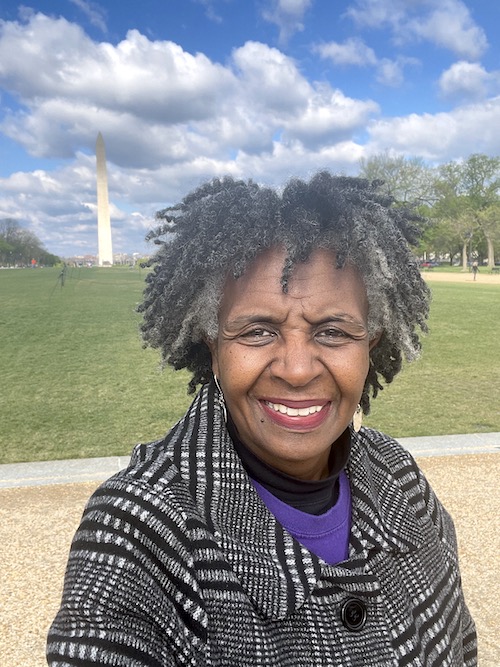
Sherry T. McDaniel-Thomas, a Ward 4 resident and public school grandmother, is a parent leader with Parents Amplifying Voices in Education (PAVE).
About commentaries
The DC Line welcomes commentaries representing various viewpoints on local issues of concern, but the opinions expressed do not represent those of The DC Line. Submissions of up to 850 words may be sent to editor Chris Kain at chriskain@thedcline.org.
Comments are closed.