

Gordon Chaffin: It’s not a sin to go outside — even during a pandemic
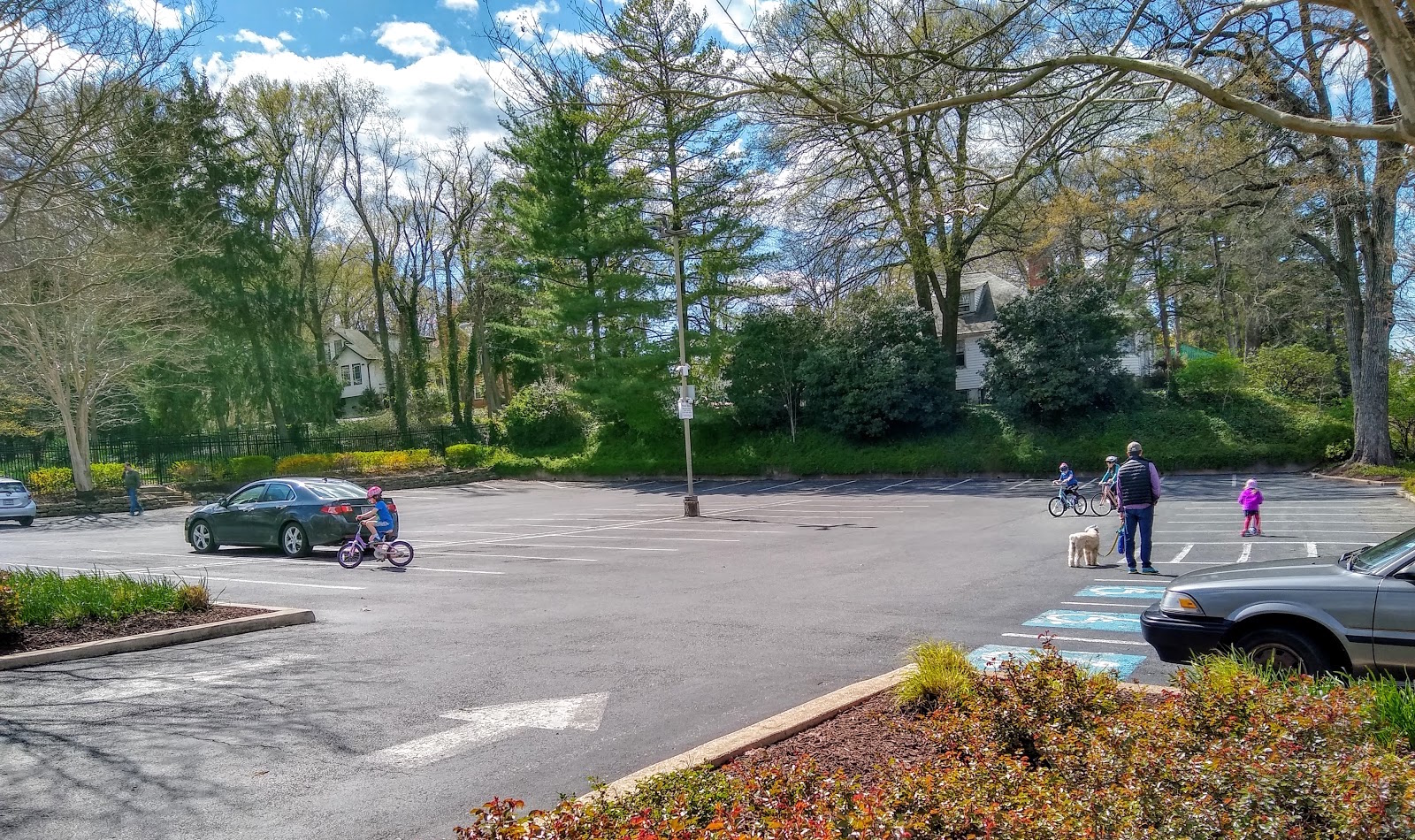
In the month and a half since DC began coronavirus mitigation, I’ve seen more children learning to ride bikes than I had before in the 11 years I’ve lived in the Washington region. The joyous rite of passage is happening more these days thanks to significantly reduced car traffic, more flexible parent schedules during daylight hours, and a stronger than usual desire to get out of the house. But, is it right to take your family out for outdoor leisure when DC Mayor Muriel Bowser has us under a stay-at-home directive — even if you’re keeping 6 feet away from others and even if those homebound orders have always encouraged outdoor exercise?
Many DC residents, with increased time and urgency to follow the news, have become passionate advocates of staying indoors for all but essential purposes. They’ve been posting to neighborhood email listservs, capturing covert pictures, and tweeting about fellow Washingtonians crowding public parks, fish markets and sidewalks. Before DC closed bars, some residents raged online about St. Patrick’s Day revelers. Before Bowser closed roads near the Tidal Basin, folks were frustrated to see cherry blossom visitors flock to the area.

Residents posting criticisms on social media and sending emails to neighborhood listservs seem to believe staying at home is the only appropriate choice one can make. As this pandemic has spread, we’ve learned that asymptomatic individuals are key sources of COVID-19 spread. So, even if you’re feeling OK, those scolding neighbors say you should stay at home. And It’s not like we’re being conscripted into the military. We’re being asked to watch Netflix and celebrate religious holidays via video calls.
Many DC residents feel that if the sidewalks and trails are too crowded, it means we’re not taking coronavirus seriously. And it hasn’t just been the residents criticizing their neighbors. In the early days of coronavirus mitigation, the Washington Metropolitan Area Transit Authority celebrated the 80% to 90% drop in rail ridership while giving a chastising “thumbs-down” to the less severe 63% drop in bus ridership: It was good that so few people were riding Metrorail, and not as many Metrobus riders — lower-income and more diverse than rail — ought to be using the bus. The obvious message was that the coronavirus threat is greater than nearly any reason for your trip. You all can’t be medical professionals! Jane Jacobs’ “eyes on the street” have become the Karens on the street.
But there’s a lot of privilege in being able to have life come to you — in the ability to turn your home into your office, your child’s classroom, your home gym, and your recreation center. Hermit life pushes costs onto others. Ordering deliveries on a gig-economy app means someone else has to deliver your purchases. And those workers are rarely given face masks, gloves or other protective equipment — at times, even when their employer has promised to do so. Those people can be exploited by independent-contractor arrangements — especially in a crisis like this. The ethics of sanctimonious solitude are a lot messier than the imagined absolution from societal cost.
Forty-one percent of essential workers in Washington don’t have a car, according to analysis by James Pizzurro, the lead software developer behind MetroHero, an app by commuters for commuters. Pizzuro replicated for DC work that TransitCenter did reviewing NYC data. Those essential employees have no real choice but to keep riding the bus, even when transit operators cut service to the bare minimum, offer few real-time updates, and threaten to cancel service if ridership stays this high. That group of riders-by-necessity makes up a majority of Metrobus users. They end up crowding buses made smaller by coronavirus driver protections.
“Essential trips” means different things to different people. Only about one-third of American workers can perform their jobs from home, according to researchers at the University of Chicago. Of the remaining two-thirds, many are going outside for trips that are essential to them, if not to society. I’m a dog walker and some of my clients have been gracious enough to keep me going on walks even though they’re working from home. I need that money, so I go outside every day. I’m not performing a must-have task, but those wages are mandatory for my survival. Most of my other gigs can be done from home, for which I’m thankful. I imagine many Washingtonians with far fewer resources who are commuting each day now fear threats to their health less than they fear not having food on the table.
Being mean to people on the internet doesn’t fix anything. Chastising people who were in public places sans face masks doesn’t make anyone who was there safer. Criticizing the family having a picnic in the park doesn’t help. Being proactive and constructive does help, though. Begin first by considering why others do things you personally wouldn’t — things that may bother you or may even threaten your health and safety in some way. Maybe ask them to act differently, but don’t post extremely tenuous news items as if they were peer-reviewed science.
More than anything, I believe we need to direct our focus into helping each other. That starts with empathy and understanding of people who have different desires, challenges or circumstances than you. Private outdoor space like backyards is a rare amenity in the District. Residents needing temporary space and privacy from roommates, partners or children may need to jog around the neighborhood. One person’s afternoon-jog habit held over from before coronavirus is another’s necessary mental health catharsis. One family’s extravagant neighborhood loop is another’s fresh air so the kids will focus for one more hour of distance learning.
Perhaps consider whether those without masks seem to be diligently complying with 6-foot social distancing protocols. But if seeing people outside without masks annoys you so much, carry extra masks around. “Hey, I saw you’re not wearing a mask. I thought you might not know how to make one or have the materials. Here’s one I made. Never used. They’re helpful.” If you’re so passionate about something that it’s got you saying angry things on the internet, then put some sweat equity into a constructive social project.
A lot of people are angry at joggers who pass too close to others on sidewalks, and a lot of people have pointed out correctly that there’s not enough space on most sidewalks and trails to properly socially distance. So, why not join the group of residents calling for temporary sidewalk extensions. It’s not a matter of taking advantage of the current situation to implement an anti-car agenda — nobody should have to run up the side of an embankment to get 6 feet away from an oncoming pedestrian! With traffic down so much in DC, isn’t now the time to create an enjoyable street network? Why can’t we give people more safe, inviting spaces when so few live within walking distance of Beach Drive in Rock Creek Park or the roads in Anacostia Park and Fort Dupont Park that are also closed to vehicular traffic?
Critics say the problem with widened sidewalks and open streets is that it would encourage people to go outside when they should be staying home. Well, people are going to be going outside, particularly with warmer weather ahead. The responsibility-based, culture-war politics of this public space debate are privilege-soaked and corrosive to communities. Having to stay in your house 24/7 might not be equivalent to getting shipped to Vietnam, but it’s not valorous to couch-crash and criticize your neighbor for a daily jog around the neighborhood.
Right now, everyone’s on a very short fuse: We’re anxious, then we’re enraged, then we’re exhausted. People are tired, fearful and operating with a frayed sense of belonging. Please do your part to forgive, understand and tolerate how others deal with this once-a-century viral outbreak. I’m not asking you to abandon giving suggestions to others who may not be up to date on the frequently changing best practices. I just ask that you give everyone a little patience and help first — rather than criticize. And give a mask if you have extra.
Gordon Chaffin is a reporter for Street Justice, a news organization covering transportation, energy, and infrastructure throughout the Washington area. Street Justice produces a free, weekly digest on Sundays covering national trends. Weekday reports include a reported story, a calendar of civic meetings, and a list of projects open for public comment. To submit a pledge for a subscription, click here.
Comments are closed.